

Jakarta, teckknow.com – Industrial Automation is transforming modern manufacturing by using smart machines, robotics, control systems, and data driven processes to improve efficiency, consistency, and scalability. As industries face growing pressure to produce faster, safer, and with greater precision, automation has become a central strategy for staying competitive. It allows manufacturers to reduce manual repetition, streamline workflows, and maintain quality across increasingly complex operations.
What makes Industrial Automation especially significant is the way it reshapes not only machines, but the entire logic of production. Automated systems can monitor conditions, adapt to programmed instructions, and perform repetitive tasks with high reliability. In practical terms, it is the manufacturing world’s way of saying that asking humans to tighten the same bolt ten thousand times is perhaps not the peak use of human potential.
Understanding Industrial Automation
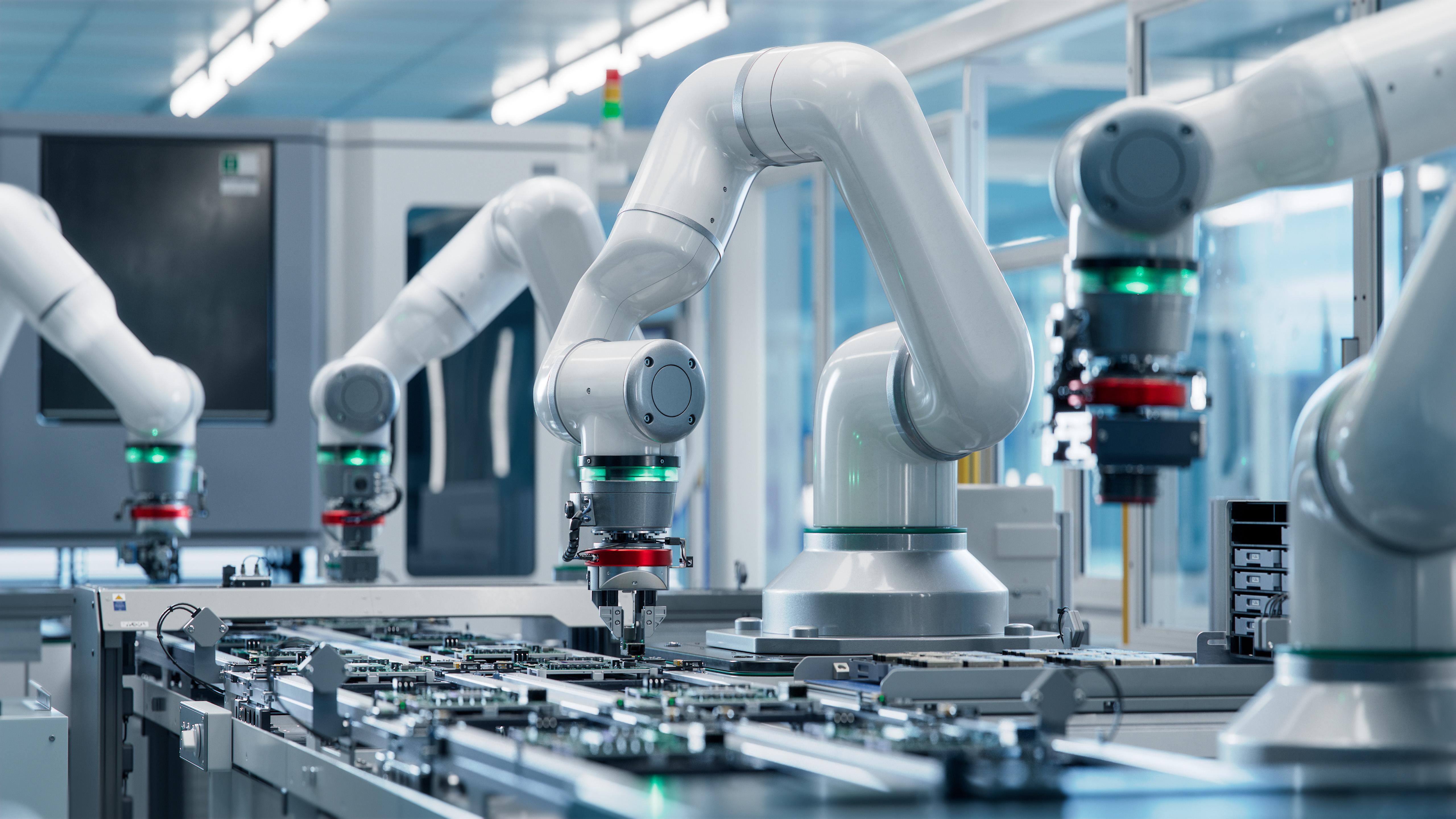

To understand its importance, it helps to define what Industrial Automation includes and why it is so influential in manufacturing.
Core meaning
Industrial Automation commonly refers to:
- The use of machines and control systems to manage industrial processes
- Robotics applied to production tasks
- Smart equipment connected through sensors and software
- Reduced dependence on manual repetitive labor
- Increased efficiency, precision, and operational consistency
- Integration of data into manufacturing decisions
These features make automation a foundational force in modern industry.
Why it matters
Its importance comes from the way it helps manufacturers:
- Increase productivity
- Improve product quality
- Reduce human error
- Strengthen workplace safety
- Scale operations more effectively
- Respond faster to changing production demands
This gives Industrial Automation both economic and strategic value.
Smart Machines and Robotics in Manufacturing
The most visible expression of Industrial Automation is the growing use of smart machines and robotics on factory floors.
What smart machines contribute
Smart machines often provide:
- Automated monitoring of production conditions
- High precision in repetitive tasks
- Consistent performance over long operating periods
- Faster response to programmed instructions
- Better integration with digital control systems
These capabilities make them highly valuable in demanding industrial environments.
The role of robotics
Robotics strengthens automation by handling tasks such as:
- Assembly
- Welding
- Packaging
- Material handling
- Inspection
- Repetitive motion operations
Robots are especially useful where speed, precision, and safety are essential.
How Industrial Automation Revolutionizes Manufacturing
Industrial Automation changes manufacturing by improving how processes are designed, controlled, and optimized.
Key operational benefits
Automation helps revolutionize manufacturing through:
- Shorter production cycles
- More reliable quality control
- Better use of materials and energy
- Reduced downtime through monitoring and diagnostics
- Greater scalability in production systems
These benefits can significantly improve performance across industries.
Broader transformation
Its larger impact includes:
- Shifting workers toward higher value tasks
- Supporting data driven decision making
- Enabling smarter supply chain coordination
- Increasing flexibility in production planning
- Strengthening long term industrial competitiveness
This shows that automation is not just about replacing manual work, but about redesigning systems for greater capability.
Main Benefits Overview
Below is a concise overview of the main benefits of Industrial Automation.
| Benefit | Main Role | Why It Matters |
|---|---|---|
| Higher Productivity | Speeds up processes and reduces delays | Improves manufacturing output |
| Better Precision | Maintains consistent quality in tasks | Reduces defects and variation |
| Improved Safety | Limits human exposure to hazardous work | Protects workers more effectively |
| Scalability | Supports larger and more complex operations | Helps manufacturers grow efficiently |
| Smart Monitoring | Tracks performance and system conditions | Enables better control and optimization |
Together, these benefits explain why Industrial Automation continues to expand across manufacturing sectors.
Why Industrial Automation Continues to Matter
Industrial Automation continues to matter because manufacturing is increasingly shaped by the need for speed, precision, resilience, and adaptability. As production systems become more complex and market expectations rise, automation offers the tools needed to meet those demands in a sustainable and competitive way.
Lasting significance
It remains important because it:
- Improves efficiency across production environments
- Supports the use of robotics and intelligent systems
- Enhances quality control and operational reliability
- Helps manufacturers respond to change more effectively
- Strengthens long term industrial performance
Broader perspective
Industrial Automation shows that the future of manufacturing depends on more than machinery alone. It depends on how intelligently machines, software, data, and human decision making are combined. By revolutionizing production with smart machines and robotics, automation continues to define the next stage of industrial progress.
Key Takeaways
Industrial Automation is revolutionizing manufacturing by combining smart machines, robotics, and control systems to improve productivity, precision, safety, and scalability.
Main lessons
- Industrial Automation is central to modern manufacturing strategy
- Smart machines and robotics improve speed, consistency, and precision
- Automation supports safer and more scalable production systems
- Its value extends beyond labor reduction into system optimization and decision support
- It continues to matter because manufacturing increasingly depends on intelligent and adaptable operations
Final perspective
The key takeaway is that Industrial Automation is not simply a technical upgrade, but a major shift in how manufacturing works. Through smart machines, robotics, and integrated control, it enables a more efficient, reliable, and future ready industrial landscape.
Explore our “”Technology“” category for more insightful content!
Don't forget to check out our previous article: Vue Framework: Building Lightweight and Progressive Web Apps with Vue.js

