

Jakarta, teckknow.com – Vue Framework has become one of the most respected tools in modern frontend development because it offers a practical balance of simplicity, flexibility, and performance. Built around a progressive design philosophy, Vue.js allows developers to adopt it gradually for small interface enhancements or use it as the foundation for full single page applications. This adaptability has made it especially appealing to teams that want modern web capabilities without unnecessary complexity.
What makes the Vue Framework especially valuable is how approachable it feels while still being capable of powering serious applications. Developers can learn the basics quickly, yet the framework supports component based architecture, reactive interfaces, routing, state management, and scalable application design. In practical terms, Vue is the kind of framework that enters politely and then quietly handles far more work than you expected.
Understanding the Vue Framework
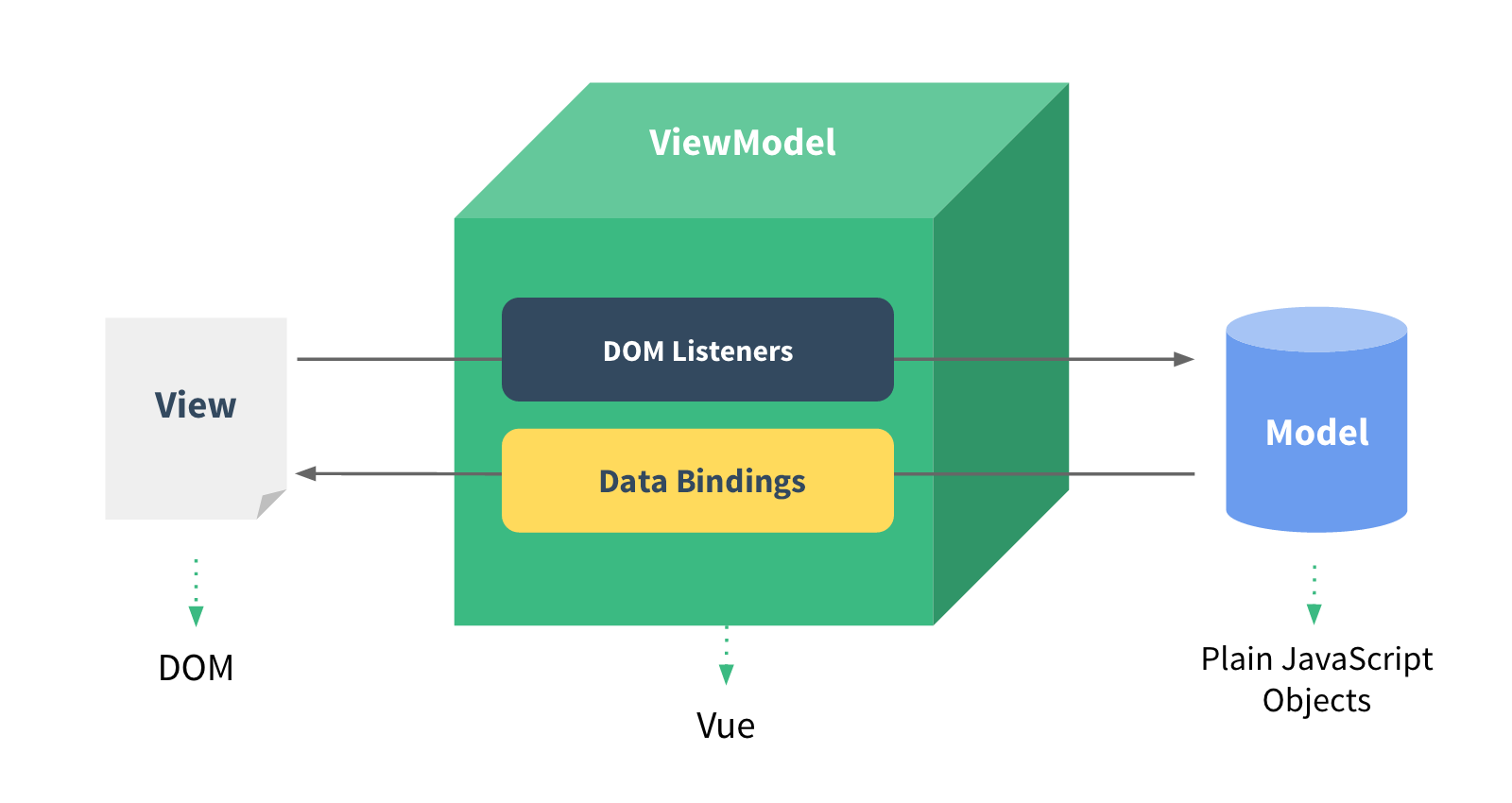

To understand its importance, it helps to define what the Vue Framework involves and why it is especially useful for lightweight and progressive web development.
Core meaning
Vue Framework commonly refers to:
- Building user interfaces with Vue.js
- Using a reactive and component based frontend framework
- Developing lightweight applications with efficient rendering
- Supporting gradual adoption in existing projects
- Creating scalable web applications through modular structure
- Enabling modern frontend interactivity with manageable complexity
These qualities make Vue a flexible and accessible framework for web development.
Why it matters
Its importance comes from the way it helps developers:
- Build interfaces quickly
- Maintain clean component structures
- Improve user experience with reactive updates
- Scale from simple enhancements to larger applications
- Reduce development friction while retaining modern capability
This gives the Vue Framework strong practical relevance in contemporary frontend work.
Building Lightweight Web Apps with Vue.js
One of the main strengths of the Vue Framework is its ability to support lightweight applications that remain responsive and maintainable.
Why Vue supports lightweight development
Vue is commonly chosen for lightweight web apps because it offers:
- A relatively small and efficient core
- Easy integration into existing pages
- Clear separation through components
- Reactive data binding for dynamic interfaces
- A development model that avoids unnecessary overhead
These strengths make it suitable for projects where speed, clarity, and flexibility are important.
Common lightweight use cases
Vue Framework is often used for:
- Interactive user interface sections
- Dashboards
- Small business web applications
- Administrative panels
- Product interfaces
- Content enhanced websites
Its progressive nature makes it useful when a full complex frontend stack is not necessary.
Progressive Web App Development with Vue
The Vue Framework is also well suited to progressive web app development, where usability, performance, and app like experiences matter.
Why Vue works for progressive applications
Vue supports progressive development because it allows teams to:
- Start with small interface improvements
- Expand applications as needs grow
- Organize code into reusable parts
- Create smooth and dynamic user interactions
- Support modern browser based application behavior
This makes it practical for teams that want controlled growth rather than abrupt architectural jumps.
Progressive design advantages
In practice, this means Vue helps developers:
- Modernize existing web projects gradually
- Build scalable interfaces without excessive complexity
- Improve maintainability through modular design
- Deliver smoother user experiences
- Balance simplicity and application depth
This is one of the clearest reasons the framework remains widely appreciated.
Main Benefits Overview
Below is a concise overview of the main strengths of the Vue Framework.
| Benefit | Main Role | Why It Matters |
|---|---|---|
| Progressive Adoption | Allows gradual use in projects | Reduces implementation barriers |
| Lightweight Core | Supports efficient application performance | Improves responsiveness and simplicity |
| Reactive Interface Model | Updates the user interface dynamically | Enhances user experience |
| Component Structure | Organizes code into reusable units | Improves maintainability and scale |
| Development Flexibility | Fits both simple and advanced projects | Expands practical usefulness |
Together, these strengths explain why Vue remains one of the most attractive frontend frameworks for modern web applications.
Why the Vue Framework Continues to Matter
The Vue Framework continues to matter because it solves an important challenge in web development. Teams often need modern frontend capability without unnecessary complexity, and Vue provides a balanced path between simplicity and power.
Lasting significance
It remains important because it:
- Supports fast and efficient interface building
- Helps teams scale gradually
- Encourages clean application structure
- Reduces friction for both learners and professionals
- Delivers strong performance in practical use cases
Broader perspective
The Vue Framework demonstrates that powerful tools do not need to be intimidating to be effective. Its continued popularity reflects the value of software design that respects both developer productivity and user experience, making it a strong choice for lightweight and progressive web apps.
Key Takeaways
Vue Framework supports lightweight and progressive web development through reactive interfaces, component based architecture, flexible adoption, and efficient performance.
Main lessons
- Vue Framework is valued for simplicity, flexibility, and modern frontend capability
- It is especially strong for lightweight web applications
- Its progressive model allows gradual adoption and controlled scaling
- Component structure and reactive updates improve maintainability and user experience
- It remains relevant because it balances accessibility with professional strength
Final perspective
The key takeaway is that the Vue Framework remains a smart choice for building modern web applications that are lightweight, scalable, and developer friendly. By combining progressive design with practical frontend power, Vue.js continues to offer a highly effective path for creating responsive digital experiences.
Explore our “”Technology“” category for more insightful content!
Don't forget to check out our previous article: Low Code Development: Building Applications Faster with Minimal Hand-Coding Required

