JAKARTA, teckknow.com – Vaccine Development: Rapid Response to Global Health Threats was something I only understood through headlines—at least until the pandemic hit. Suddenly, every chat over coffee was about vaccines, timelines, and how fast Technology could step up. Trust me, I was just as lost at first, but here’s what I’ve learned, and wow, did it change my view!
The COVID-19 pandemic has highlighted the critical importance of vaccine development in addressing global health threats. The unprecedented speed at which vaccines were developed, tested, and deployed during this crisis has transformed our understanding of how quickly scientific innovation can occur in response to urgent public health needs. In this article, I will explore the vaccine development process, the innovations that made rapid responses possible, and the lessons learned that can shape future efforts in global health.
Understanding Vaccine Development
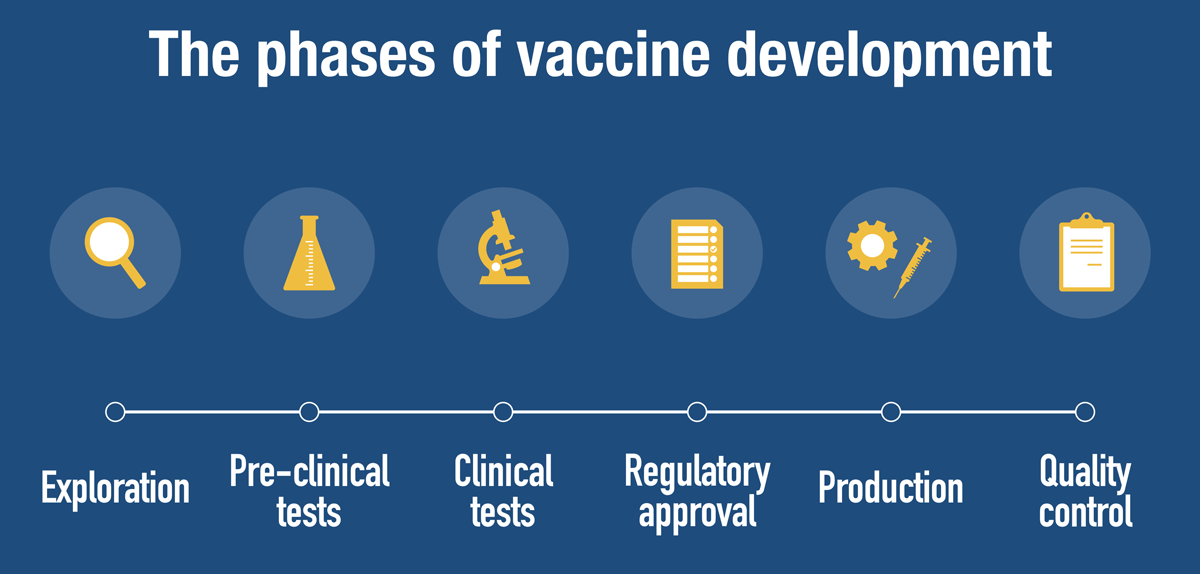
Vaccine development is a complex and multifaceted process that typically involves several stages:
Preclinical Research: This initial phase involves laboratory research and testing on animal models to assess the safety and efficacy of a vaccine candidate. Researchers identify antigens (substances that provoke an immune response) and develop formulations.
Clinical Trials: Once preclinical studies show promise, the vaccine moves into clinical trials, which are conducted in three phases:
Phase 1: A small group of healthy volunteers receives the vaccine to evaluate its safety and determine the appropriate dosage.
Phase 2: The vaccine is given to a larger group of participants to further assess safety and begin evaluating its effectiveness.
Phase 3: Thousands of participants receive the vaccine to confirm its efficacy and monitor for any adverse effects.
Regulatory Review: After successful clinical trials, the vaccine developer submits data to regulatory agencies (such as the FDA or EMA) for review. Approval is granted if the vaccine meets safety and efficacy standards.
Manufacturing and Distribution: Once approved, the vaccine enters mass production, followed by distribution to healthcare providers and the public.
Post-Market Surveillance: After the vaccine is administered, ongoing monitoring ensures continued safety and effectiveness.
Innovations That Enabled Rapid Vaccine Development
The COVID-19 pandemic accelerated vaccine development in ways previously thought to be impossible. Several key innovations contributed to this rapid response:
1. mRNA Technology
The use of messenger RNA (mRNA) technology represented a groundbreaking advancement in vaccine development. mRNA vaccines bypass the need for live-attenuated or inactivated viruses by conveying the RNA recipe for the spike protein to cells, which then produce this harmless protein and elicit an immune response. This technology allowed for faster design and production, as seen with the Pfizer-BioNTech and Moderna vaccines.
2. Global Collaboration
The pandemic prompted unprecedented collaboration among governments, pharmaceutical companies, researchers, and international organizations. Initiatives like the Coalition for Epidemic Preparedness Innovations (CEPI) and Operation Warp Speed facilitated funding, resource sharing, and coordination, enabling quicker vaccine development and distribution.
3. Streamlined Regulatory Processes
Regulatory agencies adapted their processes to expedite vaccine approvals while maintaining safety standards. Rolling reviews allowed for continuous assessment of data as it became available, rather than waiting for the completion of all trial phases.
4. Advanced Manufacturing Techniques
Innovations in manufacturing processes, such as the use of modular production facilities and the ability to scale up quickly, enabled rapid mass production of vaccines once they received approval. This agility was crucial in meeting global demand.
5. Public Engagement and Education
Effective communication strategies helped build public trust in vaccines. Health organizations and governments launched campaigns to educate the public about the safety and efficacy of vaccines, addressing misinformation and encouraging vaccination uptake.
Lessons Learned from the COVID-19 Vaccine Development Experience
The rapid response to the COVID-19 pandemic has provided valuable insights that can inform future vaccine development efforts:
1. Importance of Preparedness
Investing in vaccine research and development infrastructure before a crisis is essential. The pandemic underscored the need for robust systems and funding to support rapid response capabilities.
2. Emphasizing Collaboration
The collaborative spirit that emerged during the pandemic should be sustained. Partnerships between governments, private sectors, and international organizations are vital for addressing future health threats.
3. Adapting Regulatory Frameworks
Regulatory agencies can continue to streamline processes while ensuring safety and efficacy. Flexibility in regulations can accelerate responses to emerging health crises without compromising public safety.
4. Leveraging Technology
The success of mRNA vaccines highlights the potential of new technologies in vaccine development. Continued investment in innovative approaches can enhance our ability to respond to future pandemics.
5. Building Public Trust
Transparent communication and community engagement are essential for vaccine acceptance. Efforts to address misinformation and promote vaccine literacy can improve public confidence in vaccination programs.
Conclusion
Vaccine development has proven to be a critical component in the global response to health threats, as demonstrated during the COVID-19 pandemic. The accelerated journey from vaccine design to delivery not only spared many lives but also showcased the impact of inventive thinking, joint effort, and flexibility under pressure.
As we move forward, it is essential to apply the lessons learned from this experience to strengthen our preparedness for future health challenges. By investing in research, fostering collaboration, and embracing new technologies, we can ensure that we are better equipped to respond to emerging threats and protect global health.
The hope that emerged from the rapid vaccine development during this pandemic serves as a reminder of what is possible when science, innovation, and human determination come together. As we continue to navigate the complexities of global health, let us remain committed to building a future where vaccines are developed swiftly and effectively, safeguarding the health of communities worldwide.
Explore our “Technology” category for more insightful content!