

Jakarta, teckknow.com – Responsive Design is a web design approach that allows websites to adapt smoothly to different screen sizes, devices, and orientations. Instead of creating separate versions of a site for desktop, tablet, and mobile users, responsive design uses flexible layouts, scalable media, and CSS techniques to deliver a consistent and usable experience across a wide range of devices. In a digital environment where people browse from phones, laptops, tablets, and everything in between, this approach has become a core standard in modern web development.
What makes Responsive Design especially important is that visual appearance alone is not the whole story. A responsive site must also remain readable, navigable, fast, and functional no matter how it is accessed. Good responsive design improves usability, supports search performance, and helps users engage with content more comfortably. In short, it ensures your site does not have an identity crisis every time someone rotates a phone.
What Responsive Design Is
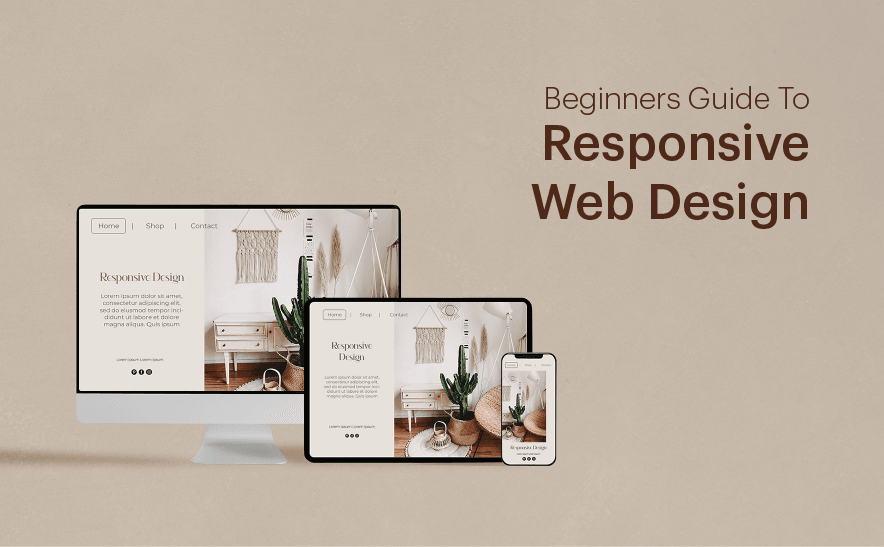

Responsive Design is the practice of designing and developing websites so that content, layout, images, and interface elements automatically adjust to fit different screen sizes and devices. It relies on flexible grids, fluid images, media queries, and adaptive styling to create a seamless experience without requiring separate sites for each device type.
Common features associated with Responsive Design include:
- Flexible grid layouts
- Fluid images and media
- CSS media queries
- Mobile-friendly navigation
- Adaptive typography
- Scalable interface elements
- Cross-device usability
- Consistent content presentation
These features explain why Responsive Design is essential for modern websites.
Why Responsive Design Matters
Responsive Design matters because users expect websites to work well no matter what device they use.
Better User Experience
A responsive site makes reading, browsing, and interacting easier across all screen sizes.
Mobile Accessibility
It supports the growing number of users who access websites through smartphones and tablets.
Search Performance
Responsive design aligns with search engine preferences for mobile-friendly websites.
Maintenance Efficiency
A single responsive site is easier to manage than maintaining multiple device-specific versions.
Brand Consistency
It helps preserve visual identity and functionality across platforms.
These strengths explain why Responsive Design plays a central role in effective web development.
Core Characteristics of Responsive Design
Its importance becomes clearer when its defining features are viewed together.
| Characteristic | Description | Why It Matters |
|---|---|---|
| Flexible layout | Uses relative sizing and adaptable structure | Allows content to fit different screens |
| Media queries | Applies styles based on device width and conditions | Enables targeted design adjustments |
| Fluid media | Scales images and content containers proportionally | Prevents overflow and layout issues |
| Device adaptability | Works across phones, tablets, and desktops | Expands usability and reach |
| User-centered approach | Prioritizes readability and interaction | Improves engagement and satisfaction |
Together, these characteristics show why Responsive Design is key to ensuring your site looks great on any device.
How Responsive Design Works in Practice
In practice, Responsive Design begins with layouts that use flexible units such as percentages rather than fixed pixel widths. Developers then apply CSS media queries to adjust spacing, typography, menus, and content arrangement based on screen size or viewport conditions. Images and videos are also made scalable so they fit naturally within the available space.
It is especially associated with:
- Mobile-first design
- Front-end development
- CSS frameworks
- User interface design
- Cross-device testing
- Accessibility improvement
- Web performance optimization
- Modern UX strategy
This broad application shows how Responsive Design supports both technical performance and user satisfaction.
Key Benefits of Responsive Design
Responsive Design delivers practical value for both users and website owners.
Benefits for Users
- Easier reading on any screen
- More intuitive navigation
- Better interaction with forms and buttons
- Reduced need for zooming or horizontal scrolling
- More consistent browsing experience
Benefits for Site Owners
- Improved mobile traffic support
- Better SEO compatibility
- Simpler site maintenance
- Stronger engagement across devices
- More professional and modern presentation
These benefits show why Responsive Design is both a usability strategy and a business advantage.
Why It Remains Important
Responsive Design remains important because device diversity continues to grow. Websites are no longer viewed only on large desktop screens, and users expect digital experiences to be smooth regardless of where or how they access them. A site that fails to adapt risks losing attention, credibility, and conversions. A site that responds well, by contrast, feels more trustworthy, accessible, and effective.
It continues to stand out because it provides:
- Cross-device compatibility
- Better user experience
- Stronger mobile support
- Easier long-term maintenance
- Improved digital professionalism
This is why Responsive Design remains essential to ensuring your site looks great on any device.
Final Thoughts
Responsive Design is one of the most important principles in modern web development because it helps websites remain functional, attractive, and user-friendly across changing digital contexts. By combining flexible layouts, scalable media, and adaptive styling, it creates a smoother experience for users and a more sustainable structure for site owners.
The key takeaway is simple. Responsive Design matters because a great website should meet users where they are, whatever screen they happen to be using.
Explore our “”Technology“” category for more insightful content!
Don't forget to check out our previous article: 5G Networks: Connecting the World at Lightning Speed

