
Jakarta, teckknow.com – PaaS Solutions refer to Platform as a Service offerings that provide developers with a cloud-based environment for building, testing, deploying, and managing applications without needing to maintain the underlying infrastructure. Instead of spending time configuring servers, patching operating systems, or wrestling with deployment pipelines from scratch, teams can focus more directly on writing code and delivering features. It is the software equivalent of being handed a fully equipped kitchen instead of first being asked to pour the concrete floor.
What makes PaaS Solutions especially valuable is their ability to simplify development workflows while improving speed and scalability. By bundling infrastructure, runtime environments, middleware, databases, and development tools into managed platforms, PaaS reduces operational complexity and accelerates the path from idea to deployment. This makes it especially useful for organizations that want to innovate quickly, support collaborative development, and avoid unnecessary infrastructure overhead.
What PaaS Solutions Are
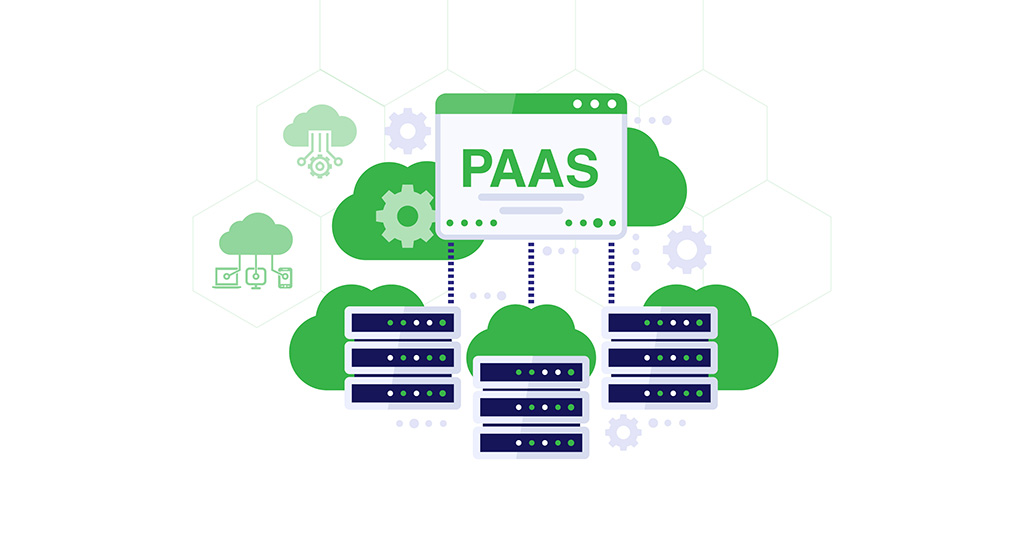

PaaS Solutions are cloud computing services that provide a managed platform for application development and deployment. They typically include tools and services needed to build software, such as runtime environments, databases, middleware, integration tools, APIs, and scaling support.
Common features associated with PaaS Solutions include:
- Managed infrastructure
- Application hosting environments
- Built-in development tools
- Automated scaling
- Deployment support
- Middleware and runtime services
- Integrated databases
- Monitoring and management capabilities
These features help developers focus on application logic rather than system maintenance.
Why PaaS Solutions Matter
PaaS Solutions matter because modern software development demands speed, agility, and reliable deployment. Managing infrastructure manually can slow teams down and pull attention away from product innovation.
Faster Development Cycles
They reduce setup time and support rapid coding, testing, and release.
Lower Operational Complexity
They remove much of the burden of server and platform management.
Better Team Productivity
Developers can focus more on features and less on infrastructure tasks.
Easier Scalability
Applications can often scale more efficiently through built-in platform services.
Support for Innovation
They help teams experiment, iterate, and deliver updates more quickly.
These strengths explain why PaaS remains a popular model in cloud development.
Core Characteristics of PaaS Solutions
Their value becomes clearer when their defining traits are viewed together.
| Characteristic | Description | Why It Matters |
|---|---|---|
| Managed platform | Infrastructure and runtime are maintained by the provider | Reduces administrative burden |
| Development support | Includes tools for coding, testing, and deployment | Speeds up software delivery |
| Scalability | Supports growth in users and workloads | Helps applications remain responsive |
| Integrated services | Often includes databases, APIs, and middleware | Simplifies application architecture |
| Cloud accessibility | Available through online environments | Supports collaboration and flexibility |
Together, these characteristics show why PaaS is designed to make development more efficient and adaptable.
Where PaaS Solutions Are Commonly Used
PaaS Solutions are widely used in environments where teams need to build and deploy applications quickly and reliably.
They are especially well suited for:
- Web application development
- Mobile app backends
- API development
- Enterprise software projects
- DevOps workflows
- Rapid prototyping
- Collaborative software teams
- Cloud-native application deployment
Their flexibility makes them useful across startups, enterprises, and software teams of many sizes.
Why They Remain Important
PaaS Solutions remain important because organizations continue to prioritize faster delivery, lower infrastructure burden, and scalable digital services. As software becomes more central to business operations, platforms that simplify the development lifecycle become increasingly valuable.
They continue to stand out because they provide:
- Faster time to market
- Reduced infrastructure management
- Better development efficiency
- Easier scaling and deployment
- Strong support for modern application workflows
This is why PaaS continues to play a key role in cloud-based software development.
Final Thoughts
PaaS Solutions streamline application development by giving teams a managed environment for building, testing, deploying, and scaling software. Their main advantage lies in reducing infrastructure complexity so developers can focus on creating useful, high-quality applications more efficiently. In a competitive digital environment, that ability to move faster without carrying every layer of technical overhead is a very big deal.
The key takeaway is simple. PaaS Solutions help streamline application development by combining managed infrastructure, development tools, and scalable deployment support in one cloud-based platform.
Explore our “”Technology“” category for more insightful content!
Don't forget to check out our previous article: NLP: Bridging Communication Gaps

