
Jakarta, teckknow.com – Objective-C occupies a distinctive place in software development as a language deeply tied to the history of Apple platforms while still remaining relevant in many modern applications. Though Swift now dominates contemporary iOS and macOS development, Objective-C continues to power large codebases, mature enterprise products, long-lived frameworks, and maintenance-heavy applications that cannot simply be rewritten overnight. Its story is not one of disappearance, but of coexistence, where older foundations continue to support modern software demands.
What makes Objective-C development especially interesting is the tension between established architecture and evolving platform expectations. Developers working with the language often find themselves navigating a world where legacy code, proven libraries, and older design patterns meet newer APIs, updated tooling, and Swift interoperability. In other words, Objective-C is not exactly retired. It is more like an experienced engineer still keeping the server room alive while the younger language gets all the keynote slides.
What Objective-C Development Involves
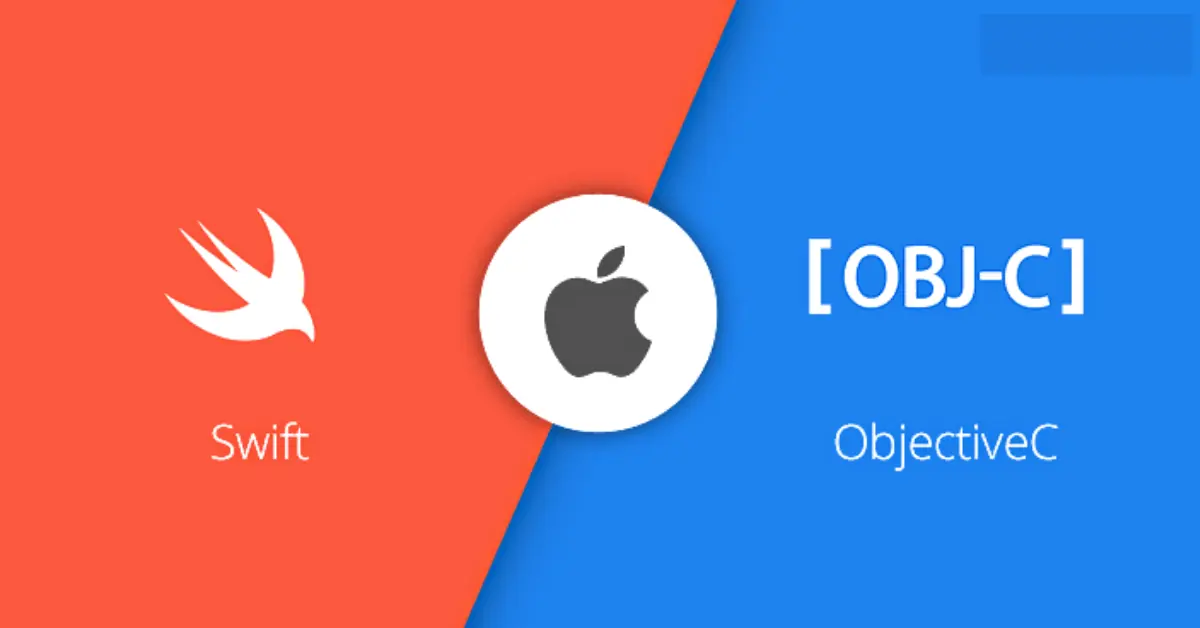

Objective-C development refers to building, maintaining, or extending software written in Objective-C, primarily within Apple’s ecosystem. It is commonly associated with older iOS and macOS applications, but it also appears in SDKs, frameworks, enterprise systems, and hybrid codebases that mix Objective-C with Swift.
Typical areas where Objective-C still appears include:
- Legacy iOS applications
- Older macOS software
- Enterprise mobile apps
- Internal tools and utilities
- Existing Cocoa and Cocoa Touch codebases
- Libraries that require long-term maintenance
These use cases show that Objective-C remains part of the practical reality of Apple platform development.
Why It Still Matters
Despite Swift’s rise, Objective-C remains important because many products and systems still depend on it.
Large Existing Codebases
Many established applications were originally built in Objective-C and continue to operate successfully.
Maintenance and Stability
Organizations often prefer maintaining stable systems rather than risking costly rewrites.
Framework History
Older Apple frameworks and third-party libraries were built with Objective-C conventions.
Swift Interoperability
Objective-C can coexist with Swift, allowing teams to modernize gradually.
Specialized Knowledge
Developers who understand Objective-C can support systems that newer developers may find unfamiliar.
This continued relevance makes Objective-C less a relic and more a working layer in modern software ecosystems.
Legacy Code and Modern Application Demands
The central challenge of Objective-C development is balancing old structure with new expectations. Developers often need to preserve reliability while adapting software to modern user experience standards, platform changes, and security requirements.
| Development Factor | Legacy Side | Modern Side |
|---|---|---|
| Codebase Structure | Older patterns and conventions | Cleaner modular architecture |
| Language Features | Dynamic runtime and manual conventions | Safer, more expressive development styles |
| UI Integration | UIKit/AppKit roots | Newer platform expectations |
| Team Workflow | Maintenance-focused updates | Continuous modernization |
| Interoperability | Pure Objective-C modules | Mixed Objective-C and Swift environments |
This balance defines much of the real-world experience of maintaining Objective-C applications today.
Common Challenges in Objective-C Development
Working with Objective-C in modern contexts can be highly practical, but it also introduces challenges that are different from newer-language development.
Common challenges include:
- Understanding older coding conventions
- Managing mixed-language projects
- Maintaining readability in large legacy files
- Updating dependencies and APIs
- Preserving functionality during refactoring
- Training newer developers on older patterns
These issues make Objective-C development as much about engineering judgment as language syntax.
Why Teams Still Use It
Teams continue using Objective-C because business needs often favor continuity, reliability, and incremental modernization over complete replacement.
Reasons it remains in use include:
- Rewriting large systems is expensive
- Stable legacy apps still generate value
- Existing teams and tooling support ongoing maintenance
- Incremental migration to Swift is often safer
- Some libraries and internal systems remain Objective-C based
This means Objective-C often survives not through nostalgia, but through practicality.
The Value of Objective-C Knowledge Today
Understanding Objective-C remains valuable for developers working in Apple ecosystems, especially those involved in long-term maintenance, SDK support, or migration work. It also provides insight into the architecture and history of many Apple development patterns.
Its ongoing value includes:
- Supporting legacy products
- Enabling smooth migration strategies
- Debugging mixed-language applications
- Understanding older Apple development ecosystems
- Preserving important software investments
That knowledge can make a developer especially useful in organizations balancing modernization with continuity.
Final Thoughts
Objective-C development remains relevant because modern applications do not emerge from a vacuum. They are often built on years of existing software decisions, stable architecture, and business-critical legacy systems. In that environment, Objective-C continues to serve as an important bridge between past development practices and present technical demands.
The key takeaway is simple. Objective-C development is not merely about maintaining old code. It is about connecting legacy foundations with modern application needs in a practical, efficient, and strategically valuable way
Explore our “Technology” category for more insightful content!
Don't forget to check out our previous article: AI Chatbots: Redefining Customer Interaction

