

Jakarta, teckknow.com – Kubernetes Orchestration has become a central concept in modern software infrastructure because it provides a powerful way to manage containerized applications at scale. As organizations increasingly rely on containers to package and deploy software consistently across environments, the need for a system that can automate deployment, scaling, networking, and recovery has grown dramatically. Kubernetes orchestration addresses this need by coordinating how containers run across clusters of machines in a more efficient and reliable way.
What makes Kubernetes Orchestration especially important is that it reduces much of the operational complexity that comes with distributed applications. Instead of manually handling container placement, service discovery, load balancing, and failure recovery, teams can define desired states and let Kubernetes work continuously to maintain them. In practical terms, it is what happens when containers stop wandering around unsupervised and get a very organized project manager.
Understanding Kubernetes Orchestration
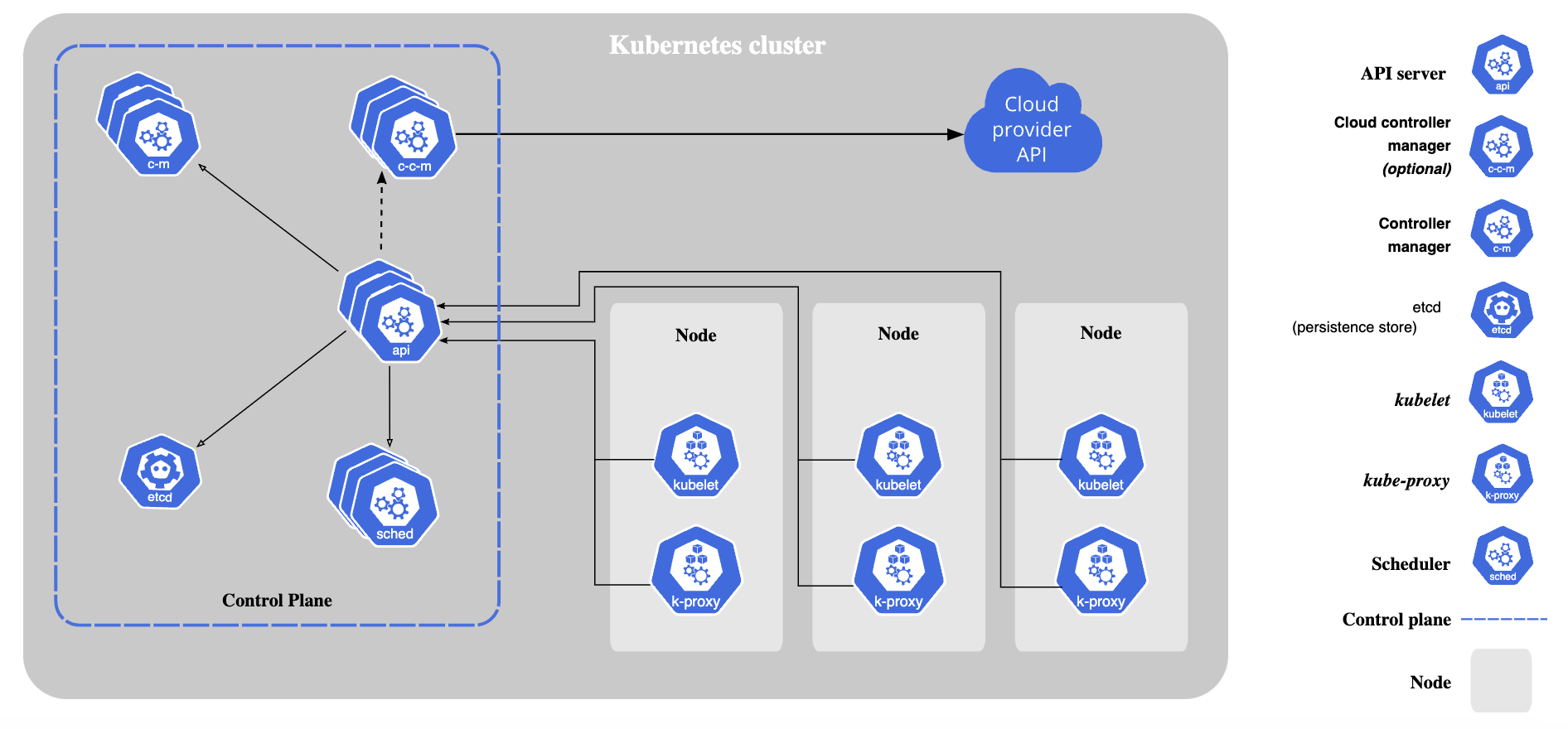

To understand its value, it helps to define what Kubernetes Orchestration means in the context of containerized infrastructure.
Core meaning
Kubernetes Orchestration commonly refers to:
- Automated management of containerized workloads
- Coordination of containers across multiple machines
- Scheduling and deployment of application components
- Scaling and self healing of services
- Declarative infrastructure control through configuration
These capabilities make Kubernetes a leading platform for modern application operations.
Why it matters
Its importance comes from the way it helps:
- Simplify container management
- Improve reliability in production environments
- Support application scalability
- Automate repetitive infrastructure tasks
- Enable consistent deployment across systems
This gives Kubernetes orchestration major operational and architectural significance.
How Kubernetes Orchestration Works
Kubernetes Orchestration is built around the idea of defining the desired state of an application environment and allowing the system to maintain that state automatically.
Desired state management
In Kubernetes, teams describe how applications should run, including:
- Number of container instances
- Resource requirements
- Networking rules
- Storage needs
- Update behavior
Kubernetes continuously compares the actual state of the environment with the desired state and takes corrective actions when needed.
Core orchestration functions
Kubernetes orchestration commonly handles:
- Container scheduling
- Automatic scaling
- Load balancing
- Service discovery
- Rollouts and rollbacks
- Self healing when containers fail
This automation reduces manual intervention and helps keep applications stable.
Benefits of Managing Containerized Applications Seamlessly
Kubernetes Orchestration offers important advantages for organizations building and operating modern applications.
Operational benefits
It helps teams:
- Deploy applications more consistently
- Recover from failures automatically
- Scale services based on demand
- Manage multi container systems more efficiently
- Improve infrastructure utilization
These strengths make Kubernetes especially useful in cloud native and microservices based environments.
Development and deployment impact
From a broader perspective, Kubernetes orchestration supports:
- Faster release cycles
- Better alignment between development and operations
- More portable application deployment
- Stronger consistency across staging and production
This contributes to a smoother software delivery process overall.
Below is a concise overview of the main functions of Kubernetes Orchestration.
| Function | Main Role | Why It Matters |
|---|---|---|
| Scheduling | Places containers on available nodes | Optimizes resource use |
| Scaling | Adjusts application instances as needed | Supports performance and demand |
| Self Healing | Restarts or replaces failed containers | Improves service reliability |
| Service Discovery | Connects application components | Simplifies internal communication |
| Rollouts and Rollbacks | Manages application updates safely | Reduces deployment risk |
Together, these functions explain why Kubernetes plays such a major role in containerized environments.
Why Kubernetes Orchestration Matters in Modern Infrastructure
Kubernetes Orchestration matters because it supports the complexity of modern distributed systems while making them more manageable and resilient.
Growing relevance
Its importance continues to grow because:
- Applications are becoming more distributed
- Containers are widely used for deployment
- Infrastructure automation is a major priority
- Teams need scalable and reliable operations
- Cloud native architectures depend on orchestration tools
Broader significance
Kubernetes is not simply a container tool. It is a platform for operating applications in a structured, automated, and resilient way. By abstracting much of the complexity behind containerized environments, it allows teams to focus more on building services and less on constantly rescuing infrastructure from chaos.
Key Takeaways
Kubernetes Orchestration enables the seamless management of containerized applications through automation, scaling, recovery, and service coordination.
Main lessons
- Kubernetes Orchestration automates the deployment and management of containers
- It maintains desired application states across clustered environments
- Core functions include scheduling, scaling, service discovery, and self healing
- It improves reliability, consistency, and operational efficiency
- Its value continues to grow as cloud native and container based systems expand
Final perspective
The key takeaway is that Kubernetes Orchestration has become essential for managing containerized applications seamlessly in modern infrastructure. By reducing manual complexity and improving resilience, it provides a strong foundation for scalable and efficient software operations.
Explore our “”Technology“” category for more insightful content!
Don't forget to check out our previous article: Digital Rights Management: Protecting Intellectual Property in Tech

