

Jakarta, teckknow.com – Fiber Optics refers to the technology of transmitting data as pulses of light through extremely thin strands of glass or plastic fiber. This method allows information to travel at very high speeds over long distances with minimal signal loss, making fiber optics one of the most important foundations of modern internet infrastructure. It supports everything from home broadband and business networks to global telecommunications, cloud services, and data center connectivity.
What makes Fiber Optics especially important is its ability to deliver fast, stable, and high-capacity internet connections in a world where digital demand keeps rising. Streaming, video conferencing, cloud computing, online gaming, smart devices, and AI-driven services all rely on networks that can move large amounts of data quickly and reliably. Compared with older copper-based systems, fiber offers far greater bandwidth and stronger long-term scalability. In other words, when the internet wants to run instead of jog, fiber is usually the road it prefers.
What Fiber Optics Is
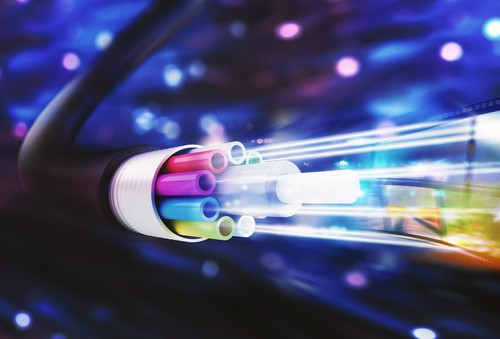

At its core, Fiber Optics is a communication technology that uses light signals to carry data through specialized cables.
Common characteristics of fiber optic systems include:
- Transmission through light pulses
- Very high bandwidth capacity
- Low latency and fast data transfer
- Long-distance efficiency
- Resistance to electromagnetic interference
- Strong signal reliability
- Support for large-scale network infrastructure
These characteristics explain why fiber has become central to modern connectivity.
Why Fiber Optics Matters
This matters because internet performance now affects nearly every part of daily life and business activity.
Faster Internet Speeds
Fiber can support significantly higher upload and download speeds than many traditional connections.
Greater Reliability
Fiber connections are less vulnerable to interference and signal degradation.
Better Support for Modern Applications
Bandwidth-heavy services such as streaming, cloud access, and remote work perform more smoothly on fiber.
Long-Term Infrastructure Value
Fiber is built for future demand and can scale more effectively as data needs continue to grow.
This is why Fiber Optics remains a key technology in internet development.
How Fiber Optics Works
Several core elements define how Fiber Optics transmits information.
Light-Based Transmission
Data is converted into pulses of light that travel through the fiber cable.
Core and Cladding Structure
The internal design of the fiber helps keep light moving through the cable efficiently.
Signal Reflection
Light reflects along the inside of the fiber, allowing data to travel long distances with limited loss.
Network Endpoints
Specialized equipment converts electrical signals to optical signals and back again.
Together, these elements allow fiber networks to deliver high-speed communication with strong consistency.
Fiber Optics Overview Table
Below is a concise summary of the main dimensions of Fiber Optics technology.
| Element | Main Role | Why It Matters |
|---|---|---|
| Light transmission | Carries data through pulses | Enables high-speed communication |
| Fiber core | Guides light through the cable | Supports efficient signal movement |
| Low signal loss | Preserves transmission quality | Improves long-distance performance |
| High bandwidth | Handles large data volumes | Supports modern internet demand |
| Interference resistance | Reduces signal disruption | Increases reliability |
Together, these dimensions explain why fiber optics outperforms many legacy communication methods.
Common Uses of Fiber Optics
Fiber Optics supports many different network and communication needs.
Home Broadband
Fiber-to-the-home services provide fast residential internet access.
Business Connectivity
Organizations use fiber for stable, high-capacity internet and internal networking.
Data Centers
Fiber enables high-speed communication between servers and storage systems.
Telecommunications Backbone Networks
National and international networks rely on fiber for large-scale data transmission.
Smart Infrastructure
Fiber supports connected systems in transportation, healthcare, education, and industry.
These uses show how deeply fiber is integrated into modern digital life.
Common Misunderstandings About Fiber Optics
A few assumptions can create confusion about the technology.
Faster Speed Is the Only Benefit
Fiber also improves reliability, consistency, and scalability.
Fiber Is Only for Large Cities
While deployment varies, fiber expansion increasingly reaches suburban and rural areas as well.
All Internet Connections Perform the Same
Different network technologies vary greatly in speed, latency, and signal quality.
Fiber Means Unlimited Performance Everywhere
Actual performance still depends on provider infrastructure, local setup, service plan, and network conditions.
Recognizing these points helps clarify why fiber is important and how it should be evaluated.
Why Fiber Optics Continues to Matter
Fiber Optics continues to matter because digital communication keeps demanding more speed, more bandwidth, and more reliability. As households and businesses depend on cloud platforms, remote collaboration, streaming media, connected devices, and data-heavy applications, the limits of older infrastructure become more visible. Fiber provides the capacity and stability needed to support this shift, not just for today’s internet habits, but for tomorrow’s as well. It is one of the few technologies that can feel invisible when it works well and absolutely unforgettable when it is missing.
It continues to matter because fiber optics helps:
- Deliver high-speed internet access
- Improve connection reliability
- Support modern digital services
- Enable long-distance data transmission
- Build future-ready communication infrastructure
This is why Fiber Optics remains a key to high-speed internet.
Final Thoughts
Fiber Optics is a foundational communication technology that makes fast, reliable, and scalable internet possible. Its use of light-based transmission allows it to move large amounts of data efficiently across homes, businesses, and global networks. As internet demand continues to expand, fiber optics remains one of the most important tools for delivering the performance modern life requires.
The key takeaway is simple. Fiber Optics matters because high-speed internet depends on infrastructure that can carry more data, more reliably, and over greater distances than older systems.
Explore our “”Technology“” category for more insightful content!
Don't forget to check out our previous article: Machine Learning Ethics: Moral Considerations in AI

