

JAKARTA, teckknow.com – API Economy: Connecting Systems Through Application Programming Interfaces. That’s quite a mouthful, right? But trust me, if you’ve ever wondered how your favorite apps, platforms, and websites seem to just work together like magic, you’re seeing the API Economy in action. I remember the first time I tried to hook up two different software programs for my small online shop. Spoiler: it wasn’t smooth at all, and I spent way too many late nights fighting error codes and head-scratching bugs.
The API economy is transforming the way businesses operate and interact in the digital landscape. As organizations increasingly rely on technology to deliver services and enhance customer experiences, Application Programming Interfaces (APIs) have emerged as critical tools for connecting systems, applications, and data. In this article, we will explore the concept of the API economy, its benefits, and its role in shaping a seamless digital future.
1. Understanding the API Economy
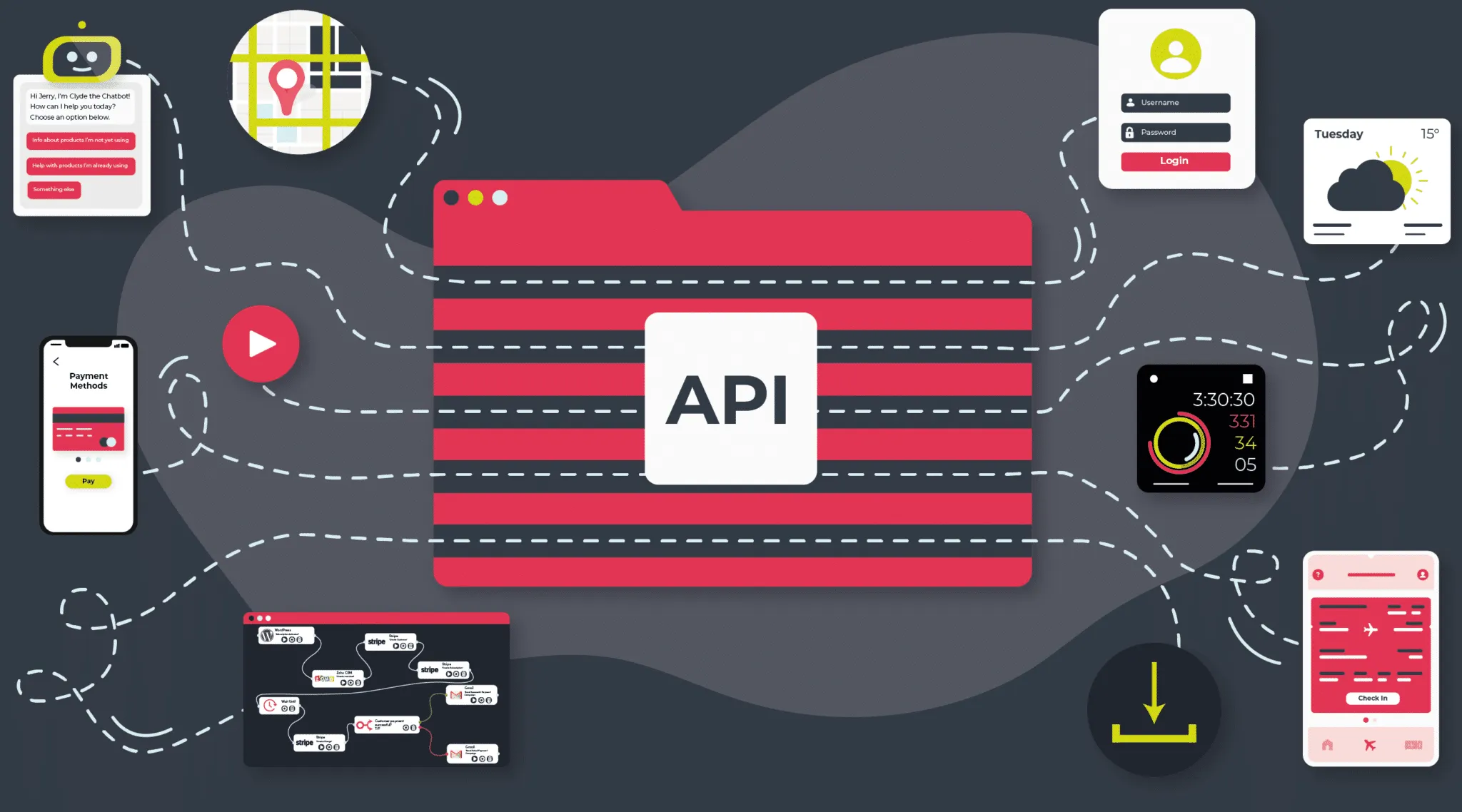

A. What is an API?
An API, or Application Programming Interface, is a set of rules and protocols that allows different software applications to communicate with each other. APIs enable developers to access specific features or data from another application, facilitating integration and functionality without needing to understand the underlying code.
B. The Rise of the API Economy
The API economy refers to the growing trend of businesses leveraging APIs to create new revenue streams, enhance collaboration, and improve customer experiences. As digital transformation accelerates, organizations recognize the importance of APIs in connecting disparate systems and enabling innovation.
2. Benefits of the API Economy
A. Enhanced Collaboration
APIs foster collaboration between different systems and applications, allowing organizations to share data and services effortlessly. This interconnectedness enables teams to work more efficiently, breaking down silos and promoting cross-functional collaboration.
B. Faster Innovation
By leveraging APIs, businesses can quickly integrate new technologies and services into their existing systems. This agility allows organizations to respond to market demands, experiment with new ideas, and bring innovative products and services to market faster.
C. Improved Customer Experiences
APIs enable businesses to create personalized and seamless customer experiences. By integrating various services—such as payment gateways, location services, and social media—companies can offer tailored solutions that meet the specific needs of their customers.
D. Monetization Opportunities
The API economy opens up new revenue streams for businesses. Companies can monetize their APIs by offering them to third-party developers, creating partnerships, or providing premium services. This approach not only generates additional income but also expands the reach of their products and services.
3. Key Components of the API Economy
A. API Management
Effective API management is crucial for ensuring the security, performance, and scalability of APIs. Organizations need to implement tools and strategies to monitor API usage, manage access, and analyze performance metrics.
B. Developer Ecosystem
A thriving developer ecosystem is essential for the success of the API economy. Companies should provide comprehensive documentation, support, and resources to encourage developers to build applications that leverage their APIs. Engaging with the developer community fosters innovation and collaboration.
C. Security and Compliance
As APIs facilitate data sharing between systems, ensuring security and compliance is paramount. Organizations must implement robust security measures, such as authentication, encryption, and access controls, to protect sensitive information and maintain regulatory compliance.
4. Real-World Examples of the API Economy
A. Financial Services
The financial sector has embraced the API economy to enhance customer experiences and streamline operations. For example, companies like Plaid provide APIs that connect applications with users’ bank accounts, enabling seamless payment processing and financial tracking.
B. E-commerce
E-commerce platforms utilize APIs to integrate various services, such as payment gateways, shipping solutions, and inventory management systems. Companies like Shopify offer APIs that allow merchants to customize their online stores and automate processes, enhancing their overall efficiency.
C. Social Media Integration
Social media platforms, such as Facebook and Twitter, provide APIs that enable developers to integrate social sharing features into their applications. This integration allows businesses to reach wider audiences and enhance user engagement through social interactions.
5. The Future of the API Economy
A. Increased Adoption of Microservices
As organizations shift towards microservices architecture, the reliance on APIs will continue to grow. Microservices enable businesses to develop and deploy applications as independent services, enhancing scalability and flexibility.
B. AI and Machine Learning Integration
The API economy will play a crucial role in integrating AI and machine learning capabilities into applications. APIs will enable businesses to access advanced analytics, natural language processing, and other AI-driven services, driving innovation across industries.
C. Focus on Interoperability
As the number of APIs increases, ensuring interoperability between different systems and platforms will be essential. Organizations will need to prioritize standards and protocols that facilitate seamless communication and data exchange.
6. Final Thoughts on the API Economy
The API economy is reshaping the digital landscape, enabling organizations to connect systems, enhance collaboration, and drive innovation. By leveraging APIs, businesses can create seamless customer experiences, unlock new revenue streams, and adapt to the ever-evolving market demands.
As we move towards a more interconnected digital future, embracing the API economy will be crucial for organizations seeking to thrive in a competitive environment. By investing in API management, fostering developer ecosystems, and prioritizing security, businesses can harness the full potential of APIs and position themselves for success in the digital age.
Boost Your Proficiency: Learn from Our Expertise on Technology
Don’t Miss Our Latest Article on Proprietary Software: Understanding Commercial Technology Solutions!

