

Jakarta, teckknow.com – Collaboration Tools have become essential to how modern teams communicate, coordinate, and deliver work across locations, time zones, and departments. As organizations rely more heavily on hybrid work, distributed operations, and fast moving digital workflows, the need for reliable collaboration platforms has grown dramatically. These tools help teams stay aligned by centralizing communication, file sharing, task tracking, meetings, and project visibility in ways that support both daily execution and long term productivity.
What makes Collaboration Tools especially important is that they do more than connect people. They shape how decisions are made, how information flows, and how quickly teams can respond to change. In practical terms, a good collaboration platform can reduce confusion, improve accountability, and save hours of back and forth that might otherwise disappear into the mysterious wilderness of email chains.
Understanding Collaboration Tools
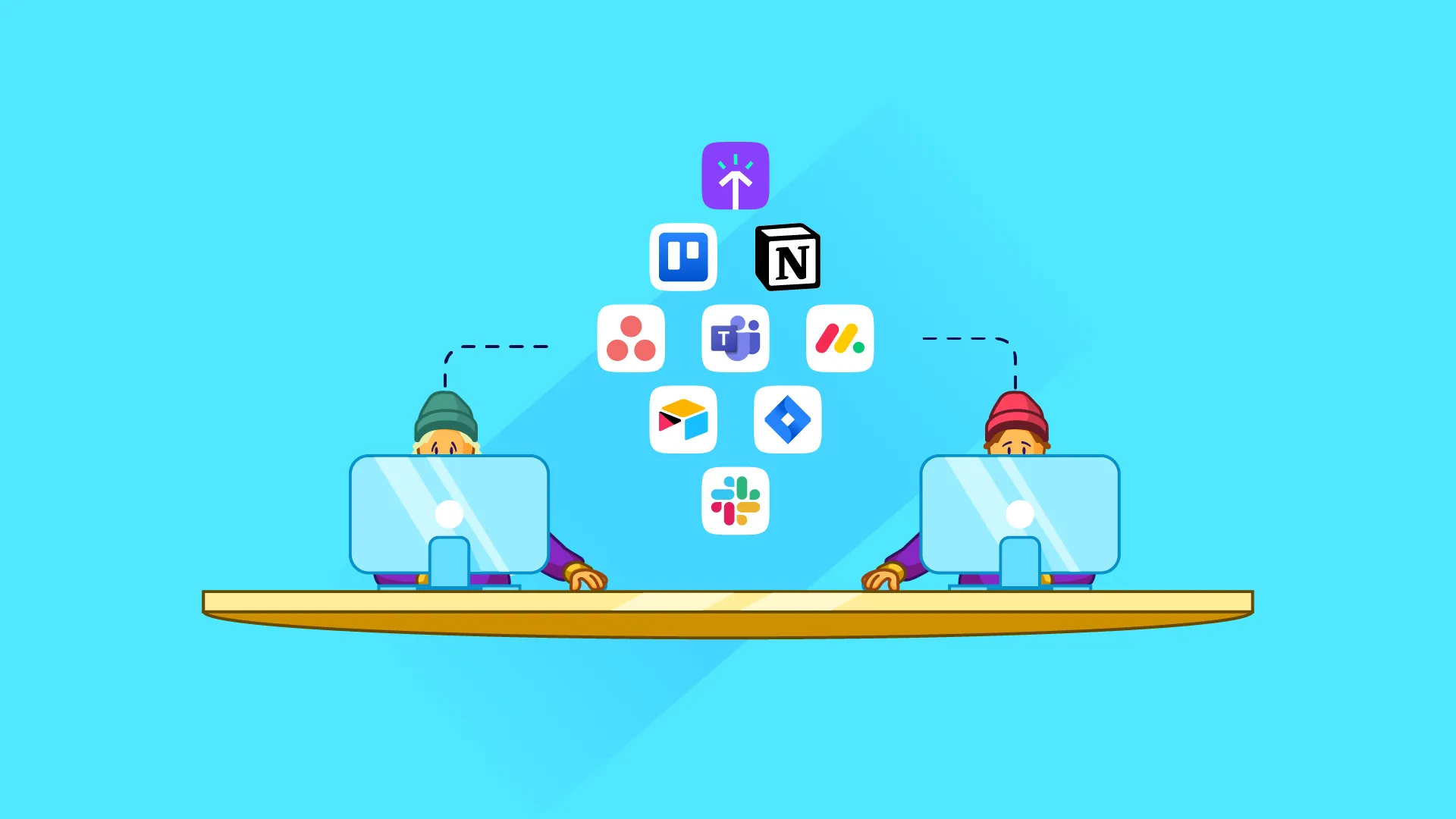

To understand their value clearly, it helps to define what Collaboration Tools are and why they matter in digital work environments.
Core meaning
Collaboration Tools commonly refer to:
- Digital platforms that support team communication and coordination
- Software used for messaging, meetings, file sharing, and project tracking
- Systems that improve visibility across tasks and workflows
- Tools that help teams work together in real time or asynchronously
- Platforms designed to streamline cooperation and productivity
These functions make collaboration tools central to efficient team operations.
Why it matters
Their importance comes from the way they help organizations:
- Improve communication across teams
- Organize work more effectively
- Reduce delays and duplicated effort
- Support hybrid and remote work structures
- Increase transparency and accountability
This gives Collaboration Tools both operational and strategic significance.
Key Features of the Best Digital Collaboration Platforms
The best collaboration platforms support productivity by combining communication, organization, and accessibility in one connected environment.
Common platform features
Effective Collaboration Tools often include:
- Team messaging and channels
- Video conferencing and meeting support
- File sharing and cloud storage integration
- Task and project management functions
- Shared calendars and scheduling tools
- Searchable records of conversations and updates
These features help teams manage work with greater clarity and speed.
Why these features improve productivity
They matter because they:
- Reduce fragmentation across multiple apps
- Make information easier to find
- Support faster decision making
- Improve coordination across roles and departments
- Help teams maintain momentum on shared goals
This is where collaboration platforms create measurable daily value.
How Collaboration Tools Enhance Team Productivity
Beyond features, the real impact of collaboration tools lies in how they improve workflow, focus, and teamwork.
Main productivity benefits
Collaboration Tools enhance productivity by:
- Keeping communication centralized
- Making task ownership more visible
- Supporting real time and asynchronous work
- Reducing unnecessary meetings and repeated updates
- Helping teams document progress and decisions
These benefits allow teams to work more efficiently and with fewer misunderstandings.
Teamwide impact
They also strengthen:
- Cross functional collaboration
- Project transparency
- Responsiveness to changes
- Knowledge sharing
- Workflow consistency
This makes them valuable not only for convenience but for broader organizational performance.
Main Platform Benefits Overview
Below is a concise overview of how Collaboration Tools support team productivity.
| Function | Main Role | Why It Matters |
|---|---|---|
| Communication | Connects team members quickly | Improves alignment and responsiveness |
| Task Coordination | Organizes work and responsibilities | Increases accountability and clarity |
| File Sharing | Centralizes access to documents | Reduces version confusion |
| Meeting Support | Enables discussion and decision making | Supports remote and hybrid teams |
| Workflow Visibility | Tracks progress across projects | Helps teams stay focused and informed |
Together, these functions explain why collaboration platforms are now a core part of digital work infrastructure.
Why Collaboration Tools Continue to Matter
Collaboration Tools continue to matter because organizations increasingly depend on speed, flexibility, and connected teamwork. As work becomes more digital and more distributed, the platforms that support communication and execution become crucial to maintaining performance.
Lasting significance
They remain important because they:
- Help teams stay productive across locations
- Improve coordination in complex workflows
- Support modern expectations for flexibility and speed
- Strengthen communication and accountability
- Enable more scalable digital operations
Broader perspective
Collaboration Tools show that productivity is not only about individual effort, but also about how effectively people work together. By enhancing communication, structure, and visibility, the best digital collaboration platforms help teams turn coordination into a genuine competitive advantage.
Key Takeaways
Collaboration Tools are digital platforms that enhance team productivity through communication, coordination, file sharing, and workflow visibility.
Main lessons
- Collaboration Tools are essential in modern digital and hybrid work environments
- The best platforms combine messaging, meetings, tasks, and document access
- They improve productivity by reducing confusion and increasing visibility
- Their value extends across communication, accountability, and team coordination
- They continue to matter because teamwork depends on reliable digital infrastructure
Final perspective
The key takeaway is that Collaboration Tools are not just convenience software. They are a foundational part of how teams operate, solve problems, and deliver results in today’s connected workplace.
Explore our “”Technology“” category for more insightful content!
Don't forget to check out our previous article: Industrial Automation: Revolutionizing Manufacturing with Smart Machines and Robotics

