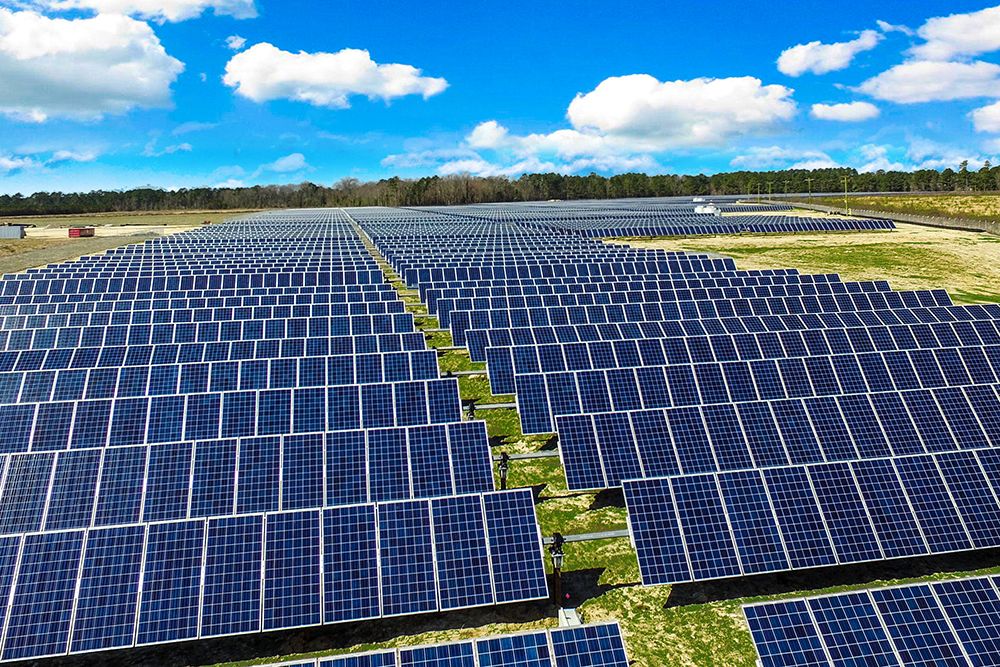
JAKARTA, teckknow.com – Solar Panels: Maximizing Your Sunlight-to-Electricity Efficiency isn’t just some tech buzz. For me, this was a game changer for my electricity bills—and honestly, my whole daily chill.
Solar panels have emerged as a transformative technology in the quest for sustainable energy solutions. By converting sunlight into electricity, these panels offer a clean, renewable energy source that can significantly reduce electricity bills and carbon footprints. However, to reap the maximum benefits from solar panels, it’s essential to understand how to optimize their efficiency. In this article, we will explore the key factors that influence solar panel performance and provide practical tips for maximizing sunlight-to-electricity efficiency.
Understanding Solar Panel Efficiency
Solar panel efficiency refers to the percentage of sunlight that is converted into usable electricity. Various factors affect this efficiency, including the type of solar panel, installation angle, orientation, and environmental conditions. Understanding these factors is crucial for optimizing your solar energy system.
Types of Solar Panels
Monocrystalline Panels: Known for their high efficiency and sleek appearance, monocrystalline panels are made from single-crystal silicon. They typically have an efficiency range of 15-20% or more, making them a popular choice for residential installations.
Polycrystalline Panels: These panels are made from multiple silicon crystals and are generally less expensive but slightly less efficient than monocrystalline panels, with efficiencies ranging from 13-16%.
Thin-Film Panels: Made from flexible materials, thin-film panels are lightweight and easy to install but usually have lower efficiency rates, ranging from 10-12%. They are often used in large-scale installations where weight is a concern.
Key Factors Affecting Solar Panel Efficiency
1. Orientation and Tilt Angle
The orientation and tilt angle of solar panels significantly impact their ability to capture sunlight. Ideally, panels should face true south in the northern hemisphere (or true north in the southern hemisphere) to maximize exposure to sunlight throughout the day.
Tilt Angle: The optimal tilt angle varies based on your geographic location and the season. A general rule of thumb is to set the angle equal to your latitude for year-round efficiency. Adjusting the tilt seasonally can further enhance performance.
2. Shading
Any shading on solar panels can drastically reduce their output. Even a small shadow from a tree, building, or other structures can cause significant efficiency losses.
Solution: Regularly assess your solar panel installation for potential shading issues. Trim nearby trees or consider relocating panels to ensure they receive unobstructed sunlight throughout the day.
3. Temperature
While solar panels require sunlight to generate electricity, excessive heat can negatively impact their efficiency. Most solar panels operate best at cooler temperatures, as their performance decreases when temperatures rise above 25°C (77°F).
Solution: Ensure proper ventilation around your solar panels to dissipate heat. Installing them with adequate space between the roof and the panels can help maintain optimal operating temperatures.
4. Maintenance and Cleaning
Dirt, dust, and debris can accumulate on solar panels, obstructing sunlight and reducing efficiency. Regular cleaning and maintenance are essential to keep panels operating at peak performance.
Solution: Clean your solar panels periodically, especially after dust storms or heavy rainfall. Use a soft brush or sponge with water to gently remove any buildup. If you’re unsure, consider hiring a professional cleaning service.
5. Inverter Efficiency
The inverter is a crucial component of a solar energy system, converting the direct current (DC) generated by solar panels into alternating current (AC) used by home appliances. The efficiency of the inverter can impact the overall performance of your solar system.
Solution: Choose high-quality inverters with efficiency ratings above 95%. Regularly check and maintain your inverter to ensure it operates efficiently.
Maximizing Your Solar Panel System
1. Conduct a Solar Assessment
Before installing solar panels, conduct a thorough solar assessment of your property. This includes evaluating your energy needs, roof space, and the amount of sunlight your location receives. Consulting with a professional solar installer can provide valuable insights.
2. Invest in Quality Panels
While it may be tempting to go for the cheapest option, investing in high-quality solar panels can result in better efficiency and longevity. Look for reputable brands with strong warranties and positive customer reviews.
3. Consider Battery Storage
With battery storage integrated into your solar system, any excess energy you produce by day is stored for nighttime use or cloudy periods. This can enhance your energy independence and reduce reliance on the grid.
4. Monitor System Performance
Regularly monitoring your solar panel system’s performance can help identify issues early on. Many modern solar systems come with monitoring apps that provide real-time data on energy production and efficiency.
5. Stay Informed About Incentives
Take advantage of government incentives, tax credits, and rebates available for solar panel installations. These programs can significantly reduce the upfront costs and improve the return on investment for your solar energy system.
Conclusion
Solar panels offer a powerful solution for harnessing renewable energy, but maximizing their sunlight-to-electricity efficiency requires careful consideration of various factors. By understanding the impact of orientation, shading, temperature, maintenance, and inverter efficiency, you can optimize your solar energy system for real results.
Investing in quality components, conducting thorough assessments, and staying informed about best practices will ensure that you get the most out of your solar panels. As you harness the power of the sun, you’ll not only save on energy costs but also contribute to a more sustainable future. Embrace the potential of solar energy and enjoy the benefits of efficient and eco-friendly power generation!
Explore our “Technology” category for more insightful content!