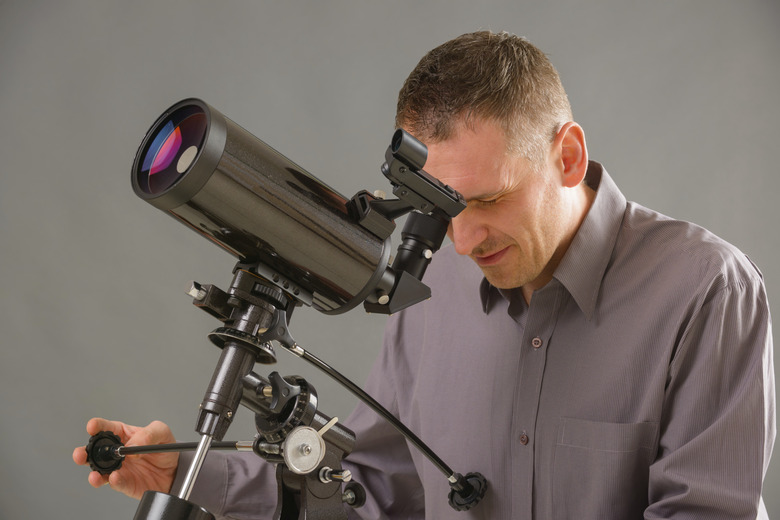
JAKARTA, teckknow.com – Astronomy Tools: Observing the Universe with Advanced Telescopes changed the way I see the sky—pretty literally! Back in my rookie days, I thought all you needed was a simple telescope off the internet. Man, was I wrong. Spoiler: the right gear totally makes or breaks your stargazing game.
Astronomy has captivated humanity for centuries, allowing us to explore the vastness of the universe and uncover its mysteries. With the advancement of technology, astronomy tools have become more sophisticated, enabling both amateur and professional astronomers to observe celestial objects with remarkable clarity and detail. In this article, we’ll explore the essential astronomy tools available today, focusing on advanced telescopes and how to use them like a pro.
Understanding Astronomy Tools
Astronomy tools encompass a wide range of equipment used for observing celestial bodies, collecting data, and analyzing astronomical phenomena. These tools can vary from simple binoculars to complex telescopes equipped with cutting-edge technology. The choice of tools often depends on the observer’s level of expertise, interests, and specific astronomical goals.
Types of Advanced Telescopes
1. Refractor Telescopes
Refractor telescopes use lenses to gather and focus light. They are known for their sharp images and high contrast, making them ideal for observing planets and the moon. Key features include:
Optical Quality: High-quality glass lenses provide excellent image clarity.
Maintenance: Generally low maintenance since there are no mirrors to align.
Portability: Often lightweight and easy to transport.
2. Reflector Telescopes
Reflector telescopes utilize mirrors to collect and focus light. They are popular among amateur astronomers due to their larger apertures at a lower cost compared to refractors. Key features include:
Larger Apertures: Capable of gathering more light, which is essential for observing faint objects like galaxies and nebulae.
Cost-Effective: Generally more affordable for larger sizes, making them accessible for beginners.
Customization: Many reflectors can be easily modified and upgraded.
3. Compound Telescopes
Compound telescopes, also known as catadioptrics, combine lenses and mirrors to create a compact design. They offer versatility and are suitable for various types of observations. Key features include:
Versatility: Suitable for both planetary and deep-sky observations.
Compact Design: Easier to transport and store compared to larger telescopes.
Reduced Optical Aberrations: The combination of lenses and mirrors helps minimize optical distortions.
Essential Features to Consider
When choosing an advanced telescope, consider the following features:
1. Aperture Size
The aperture size, or the diameter of the telescope’s primary lens or mirror, is crucial as it determines how much light the telescope can gather. A larger aperture allows for better visibility of faint objects and greater detail in observations.
2. Mount Type
The mount is essential for stability and ease of use. There are two main types:
Altazimuth Mount: Moves up and down (altitude) and side to side (azimuth). It’s user-friendly and great for beginners.
Equatorial Mount: Aligned with the Earth’s rotation, making it easier to track celestial objects as they move across the sky. Ideal for astrophotography.
3. Optical Quality
The quality of the optics (lenses and mirrors) directly affects the clarity and sharpness of the images. Look for telescopes with high-quality glass and coatings to enhance light transmission and reduce glare.
4. Accessories
Consider additional accessories that can enhance your observing experience, such as:
Eyepieces: Different eyepieces provide varying magnifications and fields of view.
Filters: Light pollution filters and color filters can improve visibility of specific celestial objects.
Finderscopes: These help locate objects in the sky more easily.
Observing Like a Pro
To make the most of your astronomy tools and advanced telescopes, follow these tips for effective observing:
1. Choose the Right Location
Select a dark location away from city lights to minimize light pollution. High altitudes with clear skies are ideal for observing celestial objects.
2. Familiarize Yourself with the Night Sky
Use star charts or astronomy apps to learn about constellations, planets, and other celestial phenomena. Knowing what to look for will enhance your observing experience.
3. Allow Your Eyes to Adjust
Give your eyes time to adjust to the darkness before observing. This can take about 20-30 minutes, allowing you to see fainter objects more clearly.
4. Use a Red LED Light
When navigating in the dark, use a red LED flashlight to preserve your night vision. This will help you see without losing your ability to observe faint objects.
5. Take Notes
Keep a journal of your observations, noting dates, times, and details about what you see. This practice enhances your understanding and appreciation of the universe.
Conclusion
Astronomy tools, especially advanced telescopes, open up a world of possibilities for exploring the universe. By understanding the different types of telescopes, their essential features, and effective observing techniques, you can enhance your astronomical experience and discover the wonders of the cosmos like a pro.
Whether you are a seasoned astronomer or a curious beginner, investing in quality astronomy tools and honing your skills will lead to countless nights of awe and discovery. So grab your telescope, head outside, and start exploring the stars!
Explore our “Technology” category for more insightful content!