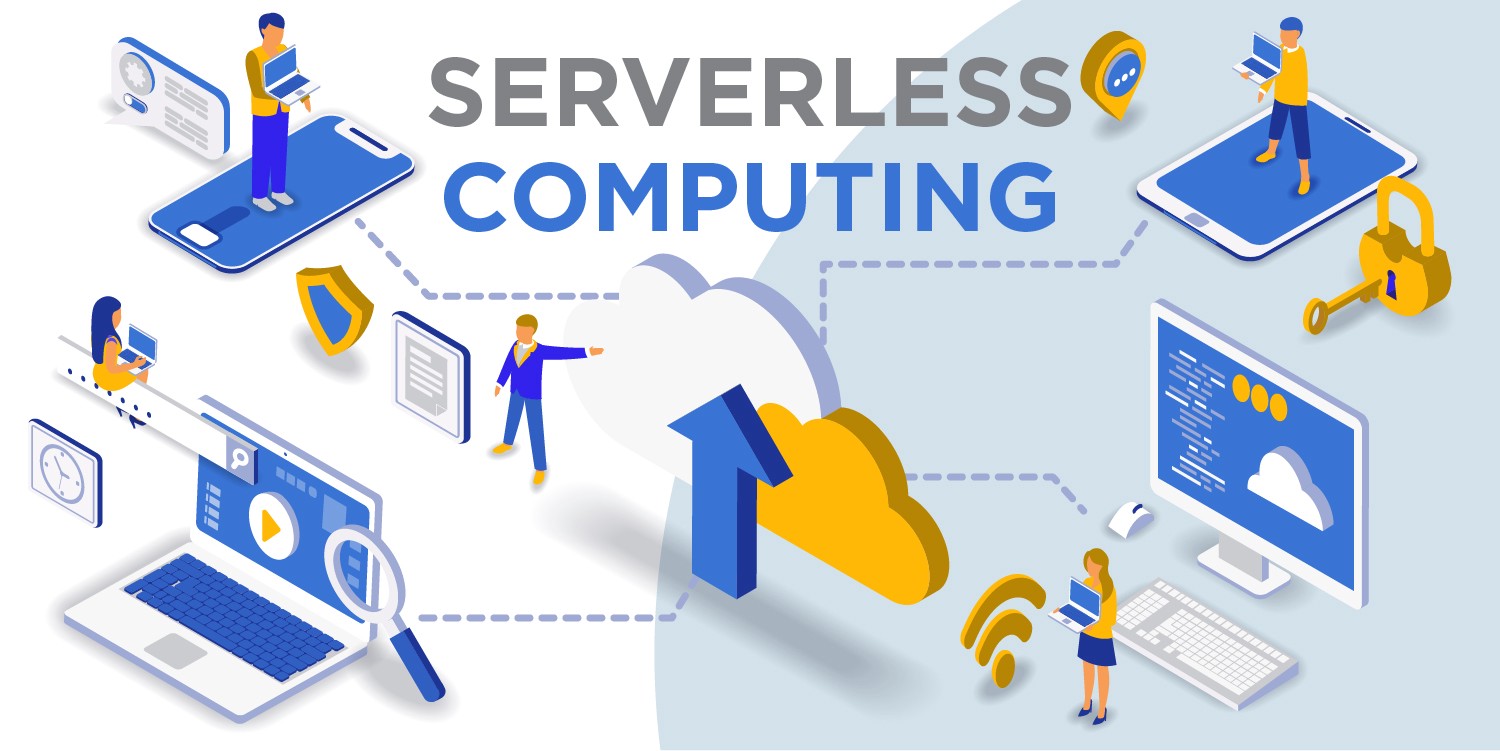
JAKARTA, teckknow.com – Serverless Computing: Abstracting Infrastructure for Scalable Apps is a total game changer for anyone who’s ever wanted to focus more on building cool stuff and less on wrangling cloud servers. Trust me, I’ve been in those late-night loops, debugging yet another server config instead of shipping features. Once I started using serverless tools like AWS Lambda and Google Cloud Functions, things just clicked—my apps grew faster, and honestly, I slept better.
Serverless computing is revolutionizing the way developers build and deploy applications by abstracting infrastructure management and allowing them to focus on writing code. This paradigm shift enables developers to create scalable applications without the overhead of managing servers, resulting in increased efficiency and reduced operational complexity. This article explores the key concepts of serverless computing, its benefits, use cases, and potential challenges.
What is Serverless Computing?
Serverless computing is a cloud execution model in which the provider automatically handles provisioning and scaling of compute resources. Developers package their logic as event-driven functions, and while servers still power the service, the “serverless” label highlights that you no longer have to manage the underlying infrastructure yourself.
Key Characteristics
Event-Driven Architecture: Serverless applications are typically built using an event-driven architecture, where functions are triggered by specific events such as HTTP requests, database changes, or file uploads.
Automatic Scaling: Serverless platforms automatically scale resources based on demand. When an event occurs, the cloud provider allocates the necessary resources to run the function, and when the demand decreases, resources are scaled down accordingly.
Pay-as-You-Go Pricing: With serverless computing, users pay only for the actual compute time consumed during function execution, rather than provisioning and paying for fixed resources. This model helps optimize costs, especially for applications with variable workloads.
Benefits of Serverless Computing
Serverless computing offers numerous advantages that make it an attractive option for developers and organizations:
1. Reduced Operational Overhead
By abstracting infrastructure management, serverless computing allows developers to focus on writing code and developing features rather than spending time on server provisioning, maintenance, and scaling. This leads to increased productivity and faster time-to-market.
2. Cost Efficiency
The pay-as-you-go model means that organizations only pay for the resources they use. This can lead to significant cost savings, especially for applications with fluctuating workloads. Additionally, there are no costs associated with idle resources, as there would be in traditional server-based architectures.
3. Scalability
In a serverless environment, applications elastically scale with incoming traffic—automatically provisioning or releasing resources as needed—so they can absorb sudden demand surges without manual intervention or pre-allocated capacity, providing users with a consistently smooth experience.
4. Simplified Development Process
Serverless computing encourages the use of microservices architecture, where applications are broken down into smaller, independent functions. This modular approach simplifies development, testing, and deployment, allowing teams to work on different components simultaneously.
5. Improved Reliability
Cloud providers typically offer built-in redundancy and fault tolerance in their serverless platforms. This ensures that applications remain available even in the event of hardware failures or other issues, enhancing overall reliability.
Use Cases for Serverless Computing
Serverless computing is well-suited for a variety of applications and scenarios, including:
1. Web Applications
Developers can build and deploy web applications using serverless functions to handle backend processes such as user authentication, data processing, and API integration. This allows for rapid development and scaling based on user demand.
2. Data Processing
Serverless computing is ideal for processing large volumes of data in real-time. Functions can be triggered by events such as file uploads or database changes, enabling efficient data transformation, analysis, and storage.
3. IoT Applications
In Internet of Things (IoT) applications, serverless computing can be used to process data generated by connected devices. Functions can be triggered by events from sensors or devices, allowing for real-time data analysis and response.
4. Chatbots and Voice Assistants
Serverless functions can be used to power chatbots and voice assistants, handling user requests and providing responses based on natural language processing. This allows for scalable and responsive interactions with users.
5. APIs and Microservices
Serverless computing is an excellent fit for building APIs and microservices, where individual functions can handle specific tasks. This modular approach enhances maintainability and allows for easier updates and scaling.
Challenges of Serverless Computing
While serverless computing offers many benefits, there are also challenges to consider:
1. Cold Start Latency
Serverless functions can experience latency during the initial invocation, known as “cold starts,” particularly if they have not been used for a while. This can impact the performance of applications with strict latency requirements.
2. Vendor Lock-In
Using a specific serverless platform may lead to vendor lock-in, making it challenging to migrate applications to another provider. Organizations should consider the long-term implications of their choice of serverless provider.
3. Limited Execution Time
Since most serverless platforms enforce a maximum runtime for functions, long‐running tasks may be constrained—so developers need to architect their applications with those limits in mind.
4. Complexity in Monitoring and Debugging
Serverless applications can be more challenging to monitor and debug compared to traditional applications. Developers need to implement robust logging and monitoring solutions to gain visibility into the performance and behavior of their functions.
Conclusion
Serverless computing is transforming the way developers build and deploy applications by abstracting infrastructure management and enabling scalable, event-driven architectures. With its numerous benefits, including reduced operational overhead, cost efficiency, and automatic scaling, serverless computing is becoming an increasingly popular choice for organizations looking to innovate and respond to changing market demands. While challenges remain, the potential of serverless computing to simplify development processes and enhance application scalability makes it a compelling option for the future of software development. As the technology evolves, serverless computing is set to play a pivotal role in defining the future of modern application development.
Explore our “Technology” category for more insightful content!