

JAKARTA, teckknow.com – Persuasive Technology: Designing for Behavior Change and Influence isn’t just a buzzword—it’s something I’ve tangled with in my own projects. I mean, who hasn’t wanted an app to really motivate people (including myself) to stick to better habits? Let’s dive in, with honesty and a few funny fails along the way.
Persuasive Technology harnesses psychological principles and digital design to guide user behaviors—whether encouraging healthy habits, boosting engagement, or steering decision-making. In my journey, I’ve learned that when ethics and intent align, persuasive systems can empower positive change. But missteps risk manipulation and user distrust. Here’s what I’ve discovered.
What Is Persuasive Technology?
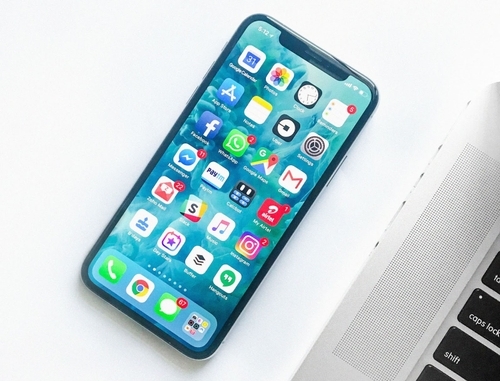

Persuasive Technology (also known as captology) is the art and science of:
- Embedding behavioral triggers (e.g., reminders, social proof, rewards) into digital interfaces
- Leveraging cognitive biases (loss aversion, reciprocity, commitment) to motivate action
- Measuring impact through metrics like click-through rates, retention, or habit formation
- Iterating designs based on A/B testing and user feedback
It’s not just UX—it’s UX with agency.
Why Persuasive Technology Matters
- Drives Desired Outcomes
• From fitness apps that boost daily steps to e-commerce nudges that increase conversions. - Fosters Habit Formation
• Small, consistent prompts can transform sporadic behaviors into routines. - Enhances Engagement
• Tailored suggestions and gamification keep users returning. - Supports Public Good
• Persuasive interventions in health, sustainability, and education can benefit society. - Informs Data-Driven Design
• Real-time analytics enable continuous optimization of persuasive elements.
My Game-Changing Lessons
- Lesson 1: Ethics First—Impact Follows
Early on, I focused on maximizing clicks. When I shifted to value-driven goals (e.g., healthier eating), engagement soared longer term. - Lesson 2: Personalization Is a Double-Edged Sword
Tailored messages work—but over-personalization can feel intrusive. Finding the balance is key. - Lesson 3: Social Influence Amplifies Results
Highlighting peer achievements (e.g., “Your friends ran 5K today”) boosted motivation more than solo rewards. - Lesson 4: Micro-Commitments Build Momentum
Breaking tasks into tiny, non-intimidating steps dramatically increased completion rates.
Core Challenges in Persuasive Technology
- Ethical Boundaries
• Avoiding dark patterns and respecting autonomy. - Overloading Users
• Excessive notifications lead to fatigue and opt-outs. - Measurement Attribution
• Isolating which persuasive element actually drove change. - Cultural Sensitivity
• What persuades in one context may backfire in another.
A Practical Framework for Persuasive Design
- Define the Desired Behavior
– Be specific: “Increase weekly meditation from 1 to 4 sessions.” - Understand the User Journey
– Map touchpoints, pain points, and emotional states. - Select Persuasive Strategies
– Triggers: reminders, deadlines
– Rewards: points, badges, social recognition
– Social Proof: testimonials, peer comparisons - Prototype & Test
– Rapid MVP with one or two persuasive elements; gather qualitative feedback. - Measure & Iterate
– Track KPIs (engagement rate, retention, task completion); refine based on data. - Embed Ethical Guardrails
– Transparency: disclose persuasion intent
– Opt-out paths: easy ways to disable nudges
– Value alignment: ensure goals benefit users
Common Pitfalls & Remedies
- Pitfall: Dark Patterns
Remedy: Audit designs against a “user-benefit” checklist; remove any misleading cues. - Pitfall: Notification Overkill
Remedy: Prioritize critical triggers and allow users to customize frequency. - Pitfall: One-Size-Fits-All Persuasion
Remedy: Segment users by motivation level and personalize interventions. - Pitfall: Focusing on Short-Term Gains
Remedy: Incorporate measures of lasting behavior change, not just initial clicks.
Essential Tools & Resources
- A/B Testing Platforms: Optimizely, VWO
- Behavioral Frameworks: BJ Fogg’s Behavior Model, Cialdini’s Principles of Influence
- Analytics & Experimentation: Mixpanel, Amplitude
- Gamification Engines: Badgeville, Gameffective
- Communities & Reading:
• Captology: The MIT Persuasive Technology Lab
• “Hooked” by Nir Eyal
• “Designing for Behavior Change” by Stephen Wendel
Emerging Trends in Persuasive Technology
- AI-Driven Personalization
• Real-time adaptation of messages based on mood inferred from interaction patterns. - Ethical Consent Frameworks
• Just-in-time informed consent for each persuasion tactic. - Augmented Reality Nudges
• Context-aware prompts overlaid on physical environments (e.g., healthy menu suggestions in restaurants). - Emotion-Aware Interfaces
• Using sentiment analysis to adjust tone, timing, and content of nudges.
Conclusion
Persuasive Technology is a powerful lever for shaping behaviors—when wielded responsibly. By grounding your design in ethical principles, understanding user motivations, and rigorously testing interventions, you can create experiences that not only influence but uplift. Embrace these lessons, iterate with empathy, and craft technology that drives meaningful, positive change.
Boost Your Proficiency: Learn from Our Expertise on Technology
Don’t Miss Our Latest Article on Horizon Scanning: Anticipating Future Innovations and Disruptions!

