

Jakarta, teckknow.com – Cloud Database refers to a database service that runs on cloud infrastructure and is typically delivered through a managed platform. Instead of relying on on premises hardware and manual administration, organizations use cloud databases to store, organize, retrieve, and scale data through flexible internet based environments. This model supports businesses that need reliable performance, elastic capacity, and reduced infrastructure complexity.
The appeal of the Cloud Database lies in its balance of convenience and scalability. Managed cloud database solutions help organizations avoid much of the operational burden associated with traditional database systems, including hardware maintenance, patching, backups, and capacity planning. At the same time, they provide the performance and availability required for modern applications, analytics, and distributed digital services. In practical terms, the cloud has become the place where databases stretch their legs without asking the IT team to carry the furniture.
What a Cloud Database Is
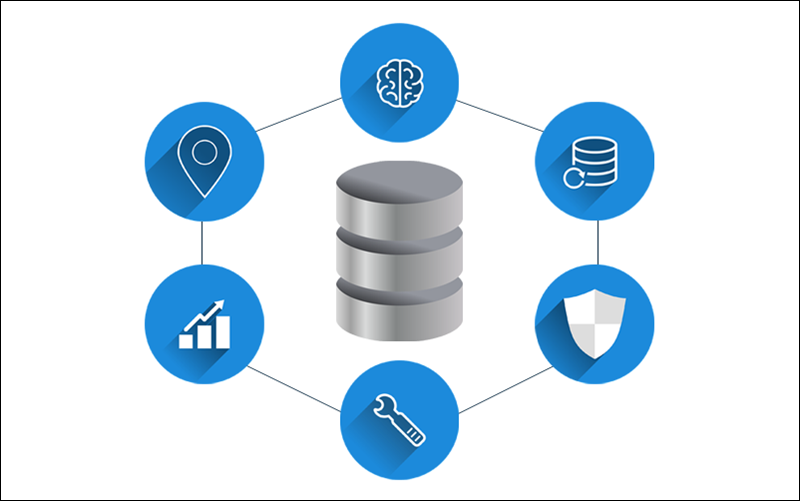

At its core, a Cloud Database is a database hosted on cloud infrastructure and accessed through managed or self managed cloud environments.
Main characteristics
A Cloud Database typically includes:
- Remote hosting on cloud servers
- On demand scalability
- Managed maintenance and updates
- Automated backup and recovery features
- High availability options
- Network based access and integration
- Support for structured or unstructured data models
These characteristics make cloud databases suitable for organizations that need flexible and resilient data platforms.
Why Cloud Database Solutions Matter
Cloud database solutions matter because data demands continue to grow while organizations need faster deployment and lower operational complexity.
Business advantages
A Cloud Database can support:
- Rapid application development
- Scalable storage and compute resources
- Lower upfront infrastructure costs
- Global accessibility
- Easier disaster recovery planning
- Improved deployment speed
Operational advantages
Managed cloud database solutions also help by:
- Reducing manual administration
- Automating updates and backups
- Simplifying monitoring and maintenance
- Supporting performance optimization tools
- Allowing teams to focus on application and business logic
This is why many organizations treat the Cloud Database as a strategic service rather than just a storage location.
Core Types of Cloud Database Solutions
Different cloud database models support different workloads and data structures.
Relational cloud databases
These are used for structured data and applications that require defined schemas, transactions, and consistency.
NoSQL cloud databases
These support flexible or large scale data models such as document, key value, column, or graph based systems.
Data warehouse platforms
These are optimized for analytics, reporting, and large scale query performance.
Distributed cloud databases
These are designed for high availability, geographic distribution, and resilient application performance.
Below is a concise summary of common cloud database solution types.
| Database Type | Main Use | Why It Matters |
|---|---|---|
| Relational cloud database | Structured transactions and business apps | Supports consistency and familiar SQL workflows |
| NoSQL cloud database | Flexible and large scale application data | Handles variable data models efficiently |
| Cloud data warehouse | Analytics and reporting | Optimized for large query workloads |
| Distributed cloud database | Global and resilient applications | Improves availability and scale across regions |
Together, these options show that cloud databases are not a single product category but a broad family of managed data solutions.
Key Benefits of Managed Cloud Database Services
Managed services are one of the main reasons organizations move databases to the cloud.
Scalability
Cloud databases can often scale storage, compute, or throughput more easily than traditional systems.
Reliability
Many services include replication, failover support, and backup capabilities that improve continuity.
Security support
Managed platforms often offer access controls, encryption, monitoring, and compliance related features.
Cost flexibility
Instead of large hardware investments, organizations can often use pay as you go or usage based pricing.
Faster deployment
Teams can provision environments quickly without building infrastructure from scratch.
These benefits make managed cloud database solutions appealing for startups, enterprises, and digital platforms alike.
Challenges and Considerations
A Cloud Database offers major advantages, but it also comes with trade offs that require planning.
Common considerations
Organizations should evaluate:
- Data security and governance needs
- Vendor lock in risks
- Network latency
- Performance tuning requirements
- Compliance obligations
- Migration complexity
- Cost control over time
Why planning matters
The most effective cloud database strategy depends on workload type, regulatory requirements, growth expectations, and technical architecture. A managed platform can simplify operations, but it does not eliminate the need for careful design and responsible usage. The database may live in the cloud, but poor planning still lands very firmly on the ground.
Conclusion
Cloud Database solutions are transforming how organizations store, manage, and scale data. By shifting database infrastructure into managed cloud environments, businesses gain flexibility, resilience, and operational efficiency that are difficult to match with traditional systems alone. Whether supporting transactional applications, analytics, or globally distributed platforms, cloud databases provide a foundation for modern digital growth.
The key takeaway is clear. Cloud Database matters because it enables organizations to scale data services more efficiently while reducing the operational burden of infrastructure management.
Explore our “”Technology“” category for more insightful content!
Don't forget to check out our previous article: Facebook Ads: How to Create Targeted Facebook Ad Campaigns That Convert and Scale

