

Jakarta, teckknow.com – Machine Learning Ethics refers to the study and application of moral principles that guide how machine learning systems are designed, trained, deployed, and governed. As machine learning becomes more deeply embedded in healthcare, finance, education, hiring, policing, media, transportation, and everyday digital services, ethical concerns have moved from abstract theory into practical urgency. These systems can influence decisions, shape opportunities, reinforce patterns, and affect human lives at scale, which makes the ethical quality of their design and use impossible to treat as an afterthought.
What makes Machine Learning Ethics especially important is that machine learning systems do not operate in a moral vacuum. They are built from data, objectives, assumptions, institutional incentives, and human choices, all of which can encode bias, obscure accountability, or create harmful outcomes. Ethical analysis helps identify where systems may become unfair, opaque, manipulative, unsafe, or socially damaging. In other words, even if an algorithm is technically impressive, that does not automatically make it wise, just, or fit for power. Efficiency without ethics is simply a faster route to the wrong destination.
What Machine Learning Ethics Means
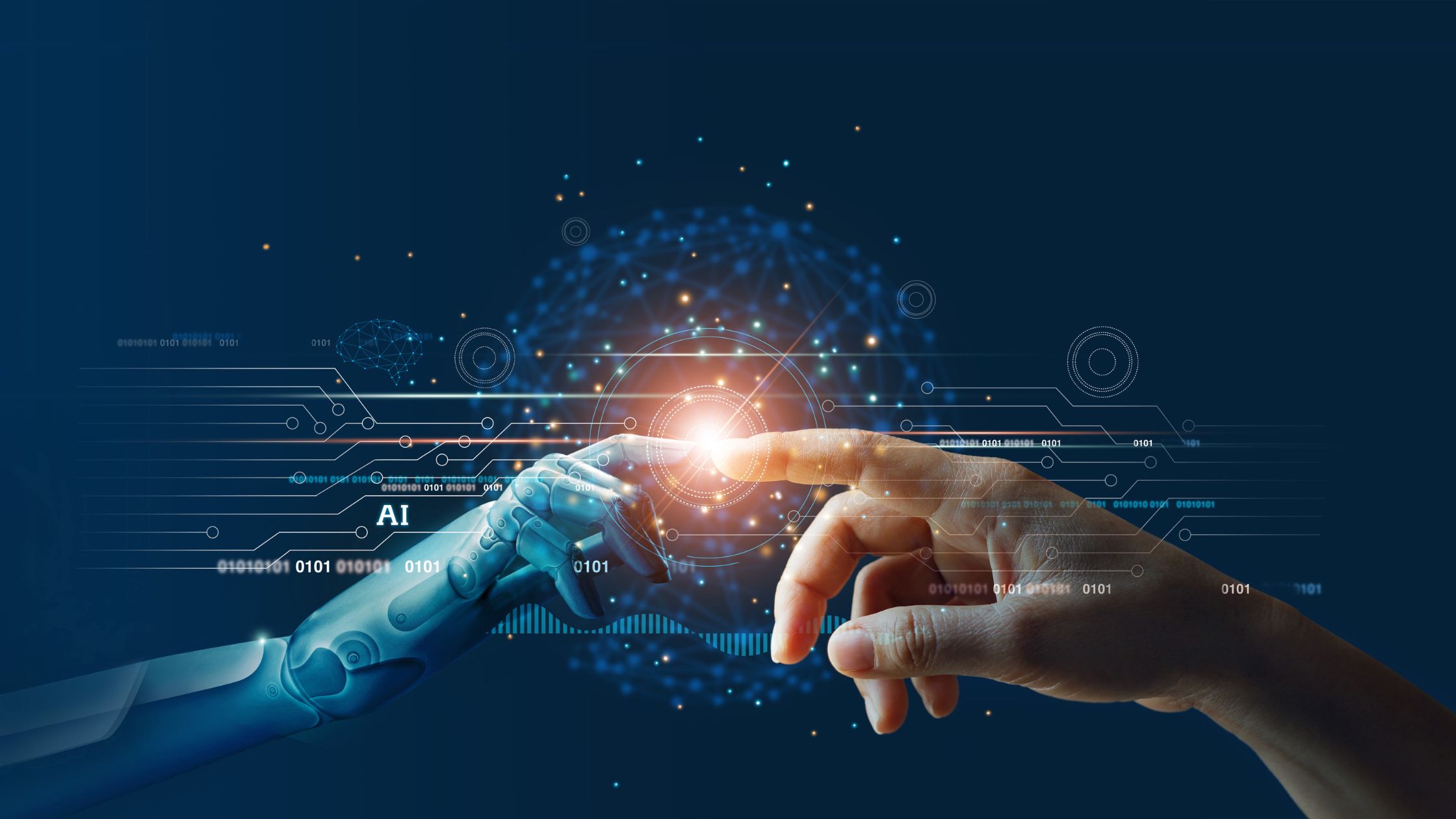

At its core, Machine Learning Ethics is the framework used to evaluate whether AI systems are developed and applied in ways that are fair, accountable, safe, transparent, and respectful of human rights and social values.
Common concerns within machine learning ethics include:
- Bias and discrimination
- Privacy and surveillance
- Transparency and explainability
- Accountability for decisions
- Safety and reliability
- Manipulation and misuse
- Human autonomy and consent
- Social and economic impact
These concerns define the moral landscape surrounding machine learning systems.
Why Machine Learning Ethics Matters
This matters because machine learning can affect access, treatment, risk, and opportunity across society.
Fairness
Biased data or flawed models can produce unequal outcomes for different groups.
Accountability
When automated systems make or support decisions, responsibility for harm must remain clear.
Trust
People are more likely to accept useful AI when systems are transparent and responsibly governed.
Human Impact
Machine learning influences real people, not just abstract datasets or technical benchmarks.
This is why ethics must be treated as a core part of AI development rather than an optional layer.
Key Ethical Issues in Machine Learning
Several recurring issues define the field of Machine Learning Ethics.
Bias and Discrimination
Models trained on historical or unbalanced data may reproduce existing inequalities.
Privacy
Data collection and model behavior can expose personal information or enable intrusive surveillance.
Opacity
Complex models may be difficult to interpret, making decisions harder to explain or challenge.
Accountability Gaps
Organizations may rely on automated outputs without clear ownership of mistakes or harm.
Manipulation and Social Influence
Recommendation systems and predictive models can shape attention, behavior, and belief in ethically troubling ways.
Together, these issues show why technical performance alone is not enough.
Machine Learning Ethics Overview Table
Below is a concise summary of the main dimensions of Machine Learning Ethics.
| Ethical Area | Main Concern | Why It Matters |
|---|---|---|
| Fairness | Unequal treatment or biased outcomes | Protects against discrimination |
| Privacy | Misuse of personal data | Preserves autonomy and rights |
| Transparency | Unclear system reasoning | Supports scrutiny and trust |
| Accountability | Uncertain responsibility | Enables correction and governance |
| Safety | Harmful or unreliable behavior | Protects users and affected groups |
Together, these dimensions show that ethical AI requires both design discipline and institutional responsibility.
Practical Approaches to Ethical Machine Learning
Ethics becomes meaningful when translated into concrete development and governance practices.
Better Data Practices
Careful dataset selection, documentation, auditing, and bias checking improve system integrity.
Human Oversight
Important decisions should include meaningful human review, especially in high-stakes contexts.
Model Transparency
Organizations should explain system purpose, limitations, and decision logic as clearly as possible.
Testing and Monitoring
Ongoing evaluation helps detect drift, unfair outcomes, and reliability problems after deployment.
Governance and Policy
Internal standards, external regulation, and accountability mechanisms help align systems with public values.
These practices help move ethics from principle to implementation.
Common Misunderstandings About Machine Learning Ethics
A few assumptions can weaken serious ethical thinking.
Ethics Slows Innovation
Ethics often improves long-term quality, trust, and risk management rather than blocking progress.
Bias Can Be Fully Eliminated
Bias can be reduced and managed, but not magically erased from all systems and contexts.
Technical Accuracy Solves Ethical Problems
A highly accurate system can still be unfair, invasive, or socially harmful.
Ethics Is Only for Regulators
Engineers, companies, institutions, and users all shape ethical outcomes.
Recognizing these misconceptions helps build more realistic and responsible AI practices.
Why Machine Learning Ethics Continues to Matter
Machine Learning Ethics continues to matter because AI systems are becoming more powerful, more embedded, and more difficult for ordinary people to avoid. As institutions use machine learning to rank, predict, recommend, filter, classify, and decide, the stakes grow larger for fairness, dignity, and democratic oversight. Ethical reflection is not a decorative exercise attached to innovation after the applause. It is part of determining whether the systems being built deserve trust, should hold influence, and can coexist with human values without quietly undermining them.
It continues to matter because it helps:
- Reduce unfair and discriminatory outcomes
- Protect privacy and individual rights
- Improve accountability in automated decisions
- Support safe and trustworthy AI systems
- Align innovation with human and social values
This is why Machine Learning Ethics remains essential to the future of responsible AI.
Final Thoughts
Machine Learning Ethics is the field that examines the moral responsibilities involved in building and using AI systems. Its importance lies in ensuring that machine learning is not judged only by speed, accuracy, or scale, but also by fairness, transparency, safety, and human impact. As AI continues to shape institutions and daily life, ethical judgment will remain central to whether these technologies serve people wisely or simply operate powerfully.
The key takeaway is simple. Machine Learning Ethics matters because responsible AI requires moral discipline alongside technical capability.
Explore our “”Technology“” category for more insightful content!
Don't forget to check out our previous article: BIM Modeling: Integrating Design and Construction

