

Jakarta, teckknow.com – BIM Modeling refers to Building Information Modeling, a digital process used to create and manage detailed representations of physical and functional characteristics of buildings and infrastructure. More than a three-dimensional drawing method, BIM Modeling integrates geometry, materials, systems, scheduling, costing, and performance data into a shared digital environment. This allows architects, engineers, contractors, and owners to collaborate more effectively throughout the lifecycle of a project, from concept and design to construction, operation, and maintenance.
What makes BIM Modeling especially important is its ability to connect design intent with construction reality. Traditional workflows often separate disciplines into fragmented documents, which can create inconsistencies, miscommunication, and costly rework. BIM Modeling helps reduce those gaps by giving project teams a coordinated, information-rich model that supports visualization, clash detection, planning, and decision-making. In practical terms, it helps everyone see the same building before it exists, which is a remarkably efficient way to discover problems before they become expensive concrete.
What BIM Modeling Is
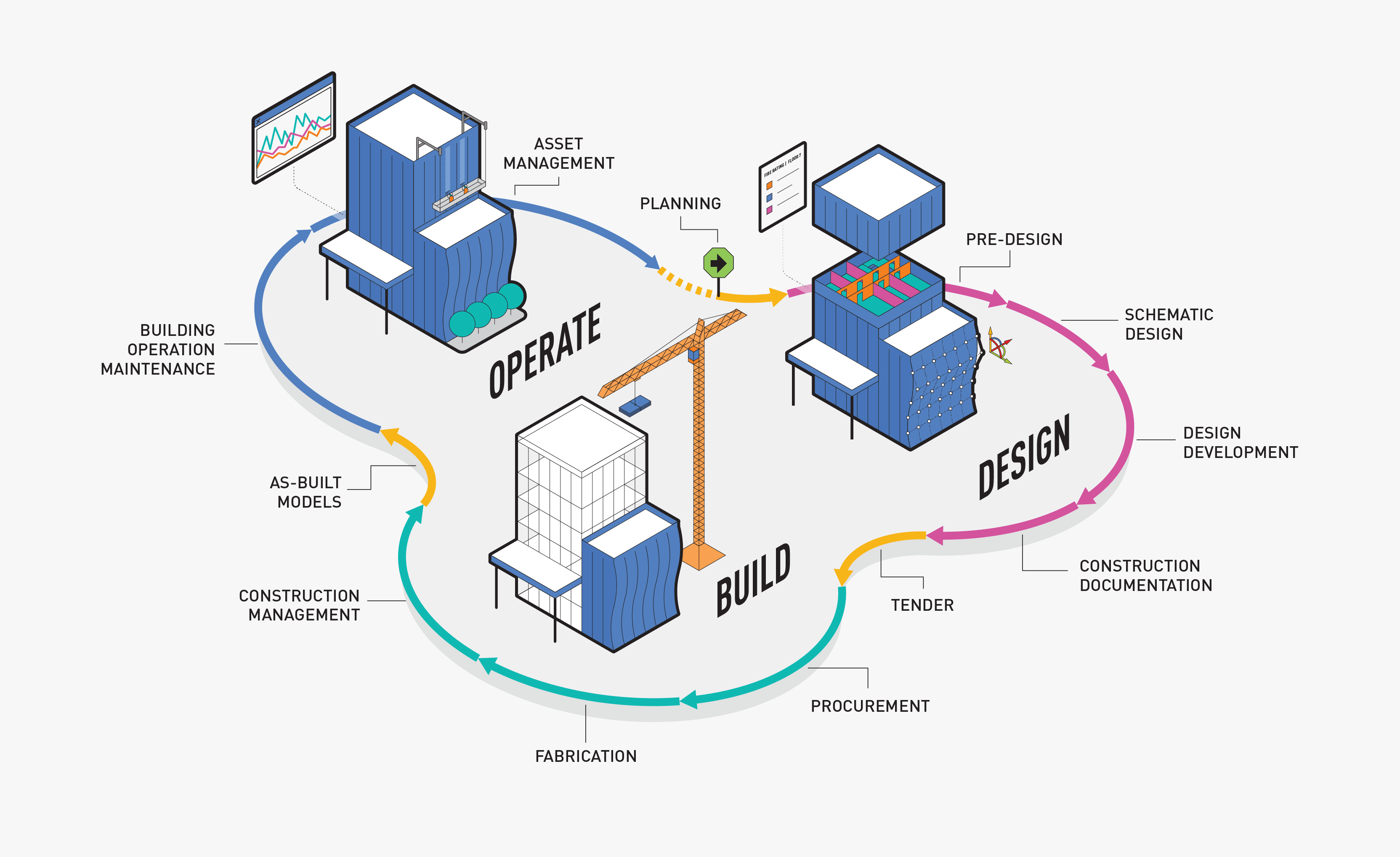

At its core, BIM Modeling is a collaborative digital method for representing building components, systems, and project information in an integrated model.
Common features of BIM Modeling include:
- Three-dimensional building representation
- Embedded object data
- Coordination across disciplines
- Clash detection capabilities
- Quantity extraction
- Scheduling integration
- Cost estimation support
- Lifecycle information management
These features make BIM Modeling a central tool in modern architecture, engineering, and construction workflows.
Why BIM Modeling Matters
This matters because design and construction projects depend on coordination, accuracy, and shared information.
Better Collaboration
BIM Modeling allows multiple disciplines to work within a coordinated environment rather than isolated document sets.
Improved Accuracy
Because project elements are modeled with data, teams can detect conflicts and inconsistencies earlier.
Reduced Rework
Early coordination helps avoid errors that would otherwise appear during construction.
Stronger Decision-Making
Stakeholders can evaluate design choices, construction sequencing, and system interactions more clearly.
This is why BIM Modeling has become essential in integrated project delivery.
Core Functions of BIM Modeling
BIM Modeling supports several major functions across the project lifecycle.
Design Visualization
Teams can understand space, form, and system relationships more clearly through three-dimensional models.
Interdisciplinary Coordination
Architectural, structural, mechanical, electrical, and plumbing systems can be checked together within one environment.
Clash Detection
Potential conflicts between components can be identified before construction begins.
Quantity and Cost Support
Model data can help generate material quantities and inform estimating processes.
Construction Planning
Sequencing and scheduling can be linked to model information to improve execution planning.
Together, these functions show how BIM Modeling bridges design development and construction implementation.
BIM Modeling Overview Table
Below is a concise summary of the main dimensions of BIM Modeling.
| Function | Main Role | Why It Matters |
|---|---|---|
| 3D modeling | Represents building form and systems | Improves visualization and understanding |
| Data integration | Embeds technical information | Supports smarter coordination and analysis |
| Clash detection | Identifies system conflicts | Reduces construction errors and rework |
| Quantity support | Extracts measurable components | Improves estimating and procurement planning |
| Construction integration | Links model data to execution | Strengthens planning and project control |
Together, these functions show why BIM Modeling is more than a drafting tool.
Key Benefits of BIM Modeling
Several advantages explain why BIM Modeling continues to expand across the construction industry.
Higher Coordination Quality
Different disciplines can align their work more accurately before field execution.
Greater Project Efficiency
Teams can reduce delays, redesign cycles, and preventable construction conflicts.
Enhanced Communication
Visual and data-rich models improve understanding among technical and non-technical stakeholders.
Better Lifecycle Value
The model can support not only construction but also facility management and future maintenance.
More Predictable Outcomes
A coordinated information environment helps teams manage project complexity more effectively.
These benefits make BIM Modeling valuable across both private and public sector projects.
Common Challenges in BIM Modeling
Despite its strengths, BIM Modeling also brings implementation challenges.
Software and Training Demands
Teams need technical skills, platform knowledge, and consistent modeling standards.
Coordination Discipline
A shared model only works well when all participants follow agreed processes and data conventions.
Upfront Investment
Technology, training, and workflow adaptation can require significant early resources.
Interoperability Issues
Different tools and file formats can create friction between disciplines or organizations.
These challenges show that BIM success depends on both technology and management practice.
Why BIM Modeling Continues to Matter
BIM Modeling continues to matter because construction projects are becoming more complex, more data-driven, and more dependent on coordination across multiple disciplines. Owners want efficiency, contractors want fewer surprises, designers want clearer collaboration, and facility managers want usable long-term information. BIM Modeling helps meet these expectations by creating a shared digital foundation that supports planning, execution, and operational continuity. It is not just a better way to draw buildings. It is a better way to think about them before anyone starts cutting steel or explaining delays in very serious meetings.
It continues to matter because it helps teams:
- Integrate design and construction more effectively
- Improve interdisciplinary coordination
- Reduce errors and rework
- Support cost and schedule planning
- Extend value across the building lifecycle
This is why BIM Modeling remains central to modern built-environment practice.
Final Thoughts
BIM Modeling is a digital process that integrates design, information, and construction planning into a shared model-based workflow. Its value lies in improving coordination, reducing errors, supporting decision-making, and connecting project participants across the full lifecycle of a building or infrastructure asset. By bringing data and geometry together in one environment, BIM Modeling helps transform design and construction from separate activities into a more unified and efficient process.
The key takeaway is simple. BIM Modeling matters because it connects design intent with construction execution in a clearer, smarter, and more coordinated way.
Explore our “”Technology”” category for more insightful content
Don't forget to check out our previous article: Branching Strategies: Optimizing Git Workflows for Efficient Team Collaboration

