

Jakarta, teckknow.com – Interaction Design is the practice of shaping how users engage with products, systems, and digital interfaces in ways that feel intuitive, useful, and meaningful. It focuses on the behavior of a product during use, including how users take action, receive feedback, move through tasks, and accomplish their goals. Rather than concentrating only on how something looks, Interaction Design is concerned with how it works in real moments of use and how those moments create a smooth and satisfying experience.
What makes Interaction Design especially important is that users form impressions through interaction, not just appearance. A visually appealing product may attract attention, but if it feels confusing, slow, or frustrating to use, the experience quickly breaks down. Strong interaction design helps bridge the gap between human intention and product response. It makes actions clearer, decisions easier, and experiences more engaging. In short, Interaction Design is what helps products feel less like static tools and more like responsive partners in getting things done.
What Interaction Design Means
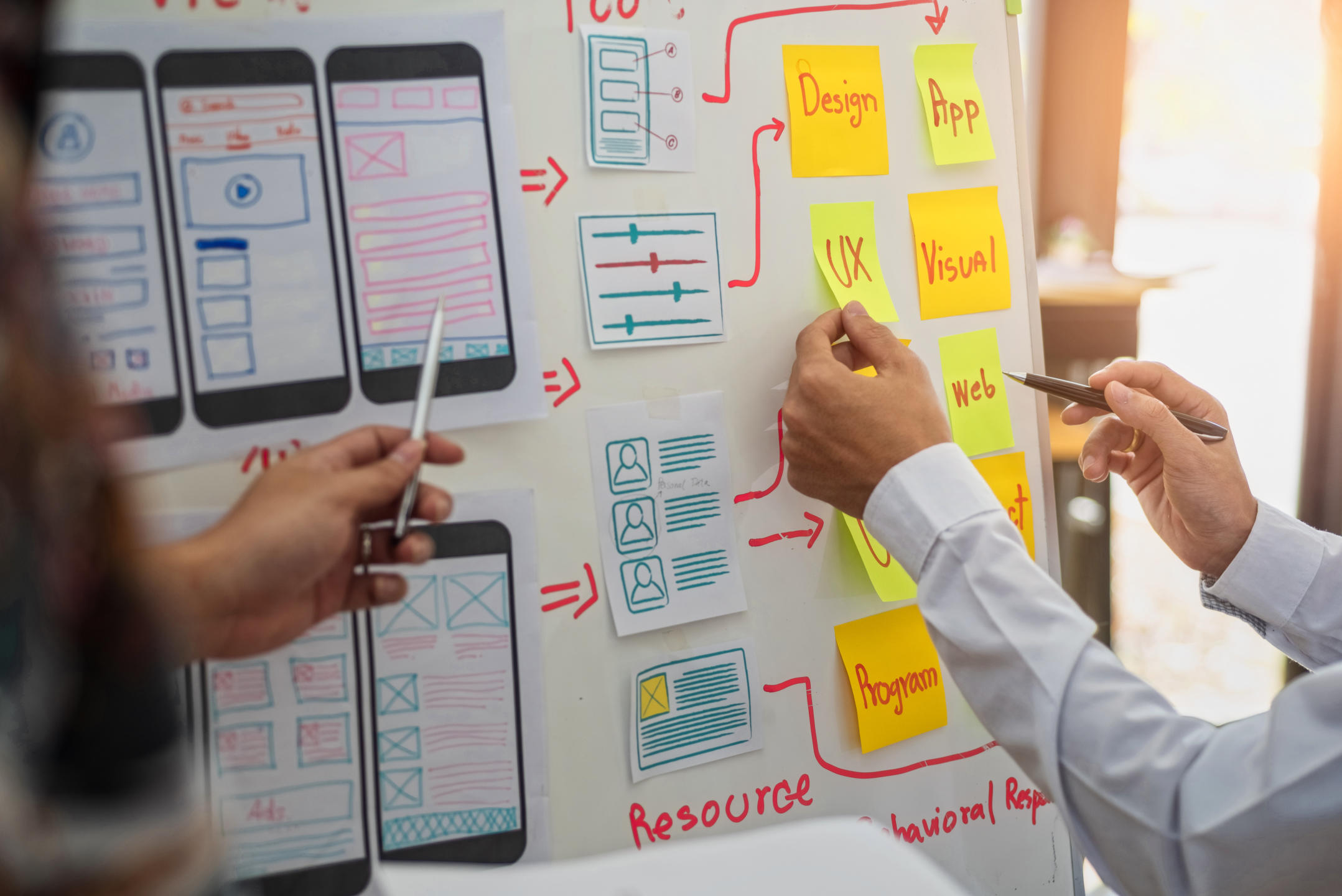

Interaction Design refers to the design of the exchanges that occur between users and products. These exchanges include taps, clicks, swipes, typing, navigation, system responses, transitions, and feedback. The goal is to create interactions that help users complete tasks effectively while also making the experience coherent and rewarding.
Core aspects of Interaction Design include:
- User actions and system responses
- Navigation and task flow
- Feedback and confirmation
- Usability and efficiency
- Learnability
- Consistency across interactions
- Emotional tone of the experience
- Support for user goals
These elements show that Interaction Design is central to the usability and quality of digital products.
Why Interaction Design Matters
Its value becomes clear whenever people use a product to do something important.
Improves Usability
Well-designed interactions help users understand what to do, how to do it, and what happens next.
Reduces Friction
Clear flows and responsive feedback reduce confusion, hesitation, errors, and unnecessary effort.
Increases Engagement
Products that feel smooth, responsive, and understandable are more likely to keep users involved and satisfied.
Supports Meaningful Experiences
Interaction Design is not only about efficiency. It also shapes trust, confidence, enjoyment, and emotional connection.
This is why Interaction Design plays a major role in whether a product feels helpful or frustrating.
Key Principles of Interaction Design
To design meaningful interactions, several principles are especially important.
Clarity
Users should be able to understand available actions and expected outcomes without confusion.
Feedback
Every important action should produce an understandable response so users know the system is working.
Consistency
Similar actions and patterns should behave in similar ways throughout the product.
Simplicity
Interactions should avoid unnecessary complexity and help users move through tasks with minimal effort.
User Control
People should feel that they are directing the experience, with the ability to correct mistakes and make informed choices.
Together, these principles create interactions that are easier to use and more satisfying.
Interaction Design Overview Table
Below is a concise summary of the main elements of Interaction Design.
| Element | Main Role | Why It Matters |
|---|---|---|
| User actions | Initiate interaction with the product | Drive task completion |
| System feedback | Responds to user input | Builds clarity and confidence |
| Navigation flow | Guides movement through tasks | Improves usability and efficiency |
| Consistency | Maintains predictable behavior | Reduces confusion |
| Emotional experience | Shapes how interaction feels | Increases engagement and trust |
Together, these elements explain why Interaction Design is essential to effective product design.
How Interaction Design Shapes Product Experience
Interaction Design affects nearly every moment of product use.
Onboarding and First Use
Good interaction design helps new users understand the product quickly and begin with confidence.
Task Completion
It structures user flows so that tasks feel logical, efficient, and manageable.
Error Prevention and Recovery
Thoughtful interactions reduce mistakes and help users recover when mistakes happen.
Long-Term Engagement
Products that are easy and pleasant to use are more likely to remain valuable over time.
These impacts show that Interaction Design is deeply connected to both function and user satisfaction.
Why Interaction Design Creates More Meaningful Products
Interaction Design creates more meaningful products because it focuses on the relationship between human behavior and product behavior. It helps products respond in ways that feel understandable, useful, and aligned with user needs. This makes the experience more than functional. It makes it intentional and human-centered.
It continues to stand out because it helps products:
- Guide users clearly
- Respond effectively to actions
- Reduce confusion and frustration
- Support emotional comfort and trust
- Deliver more engaging experiences
This is why Interaction Design remains one of the most important parts of modern product development.
Final Thoughts
Interaction Design is essential for designing engaging and meaningful interactions between users and products. It shapes how people move through tasks, interpret feedback, and experience digital systems in practical and emotional terms. A product may have strong features and attractive visuals, but without thoughtful interaction design, it will struggle to serve users effectively. When interactions are clear, responsive, and user-centered, products become easier to use, more satisfying to navigate, and more valuable over time.
The key takeaway is simple. Interaction Design matters because it turns user actions and product responses into experiences that are intuitive, effective, and meaningful.
Explore our “”Technology“” category for more insightful content!
Don't forget to check out our previous article: Web Development: Building the Future of the Internet

