

Jakarta, teckknow.com – Crypto Mining is one of the foundational processes behind many digital currencies, serving as the mechanism that validates transactions, secures blockchain networks, and introduces new coins into circulation. While it is often associated with high-powered computers and the possibility of earning cryptocurrency, its real significance lies in the way it supports decentralized financial systems. Without mining, many blockchain networks would struggle to maintain trust, verify activity, and operate without central oversight.
What makes Crypto Mining especially fascinating is that it blends technology, economics, cryptography, and competition into a single process. Miners use computational power to solve complex mathematical problems, and in doing so, they help confirm transactions and maintain the integrity of the blockchain. In return, they may receive newly minted coins and transaction fees. This process has shaped the growth of major cryptocurrencies and created an entire industry around hardware, energy use, mining pools, and profitability. In short, Crypto Mining is where digital finance meets industrial-scale problem-solving, with a healthy side of electricity bills.
What Crypto Mining Means
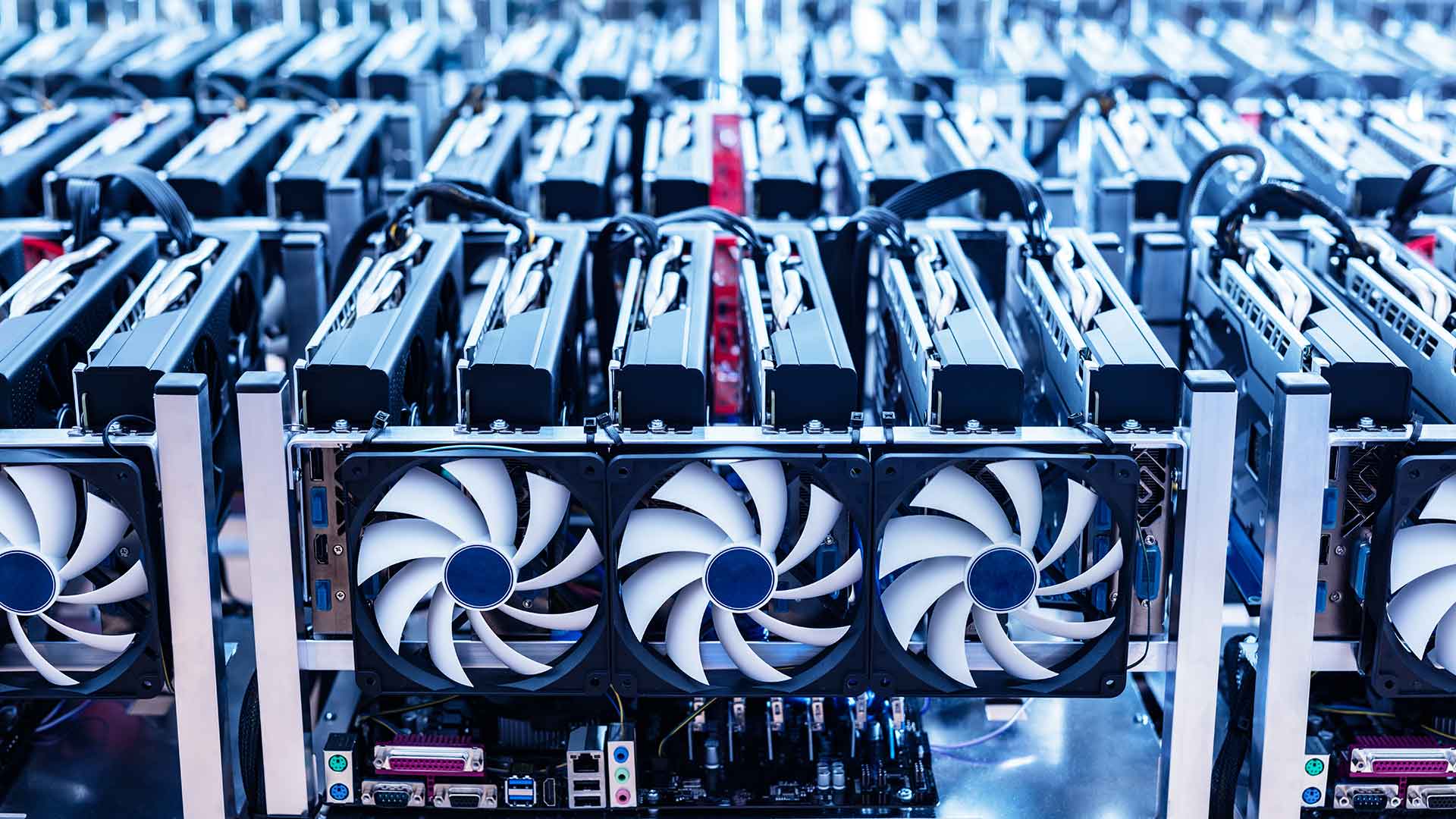

Crypto Mining refers to the process of using computing power to validate blockchain transactions and add new blocks to a distributed ledger. In networks that use proof-of-work systems, miners compete to solve cryptographic puzzles, and the first to solve one earns the right to add the next block.
Core features of Crypto Mining include:
- Transaction verification
- Blockchain security
- Proof-of-work competition
- New coin issuance
- Use of specialized hardware
- Energy consumption
- Mining rewards
- Network decentralization
These features explain why Crypto Mining is both technically important and economically influential in the world of digital currency.
How Crypto Mining Works
To understand Crypto Mining, it helps to break the process into simple steps.
Transaction Collection
Pending cryptocurrency transactions are gathered into a candidate block.
Cryptographic Puzzle Solving
Miners compete to find a valid hash that meets the network’s difficulty requirement. This involves repeated trial-and-error calculations performed at very high speed.
Block Validation
The first miner to find a valid solution broadcasts the block to the network. Other participants verify it before it is added to the blockchain.
Reward Distribution
The successful miner receives a block reward and, in many cases, transaction fees associated with that block.
This process repeats continuously, keeping the blockchain updated and secure.
Why Crypto Mining Matters
Crypto Mining plays a much bigger role than simply generating coins.
Network Security
Mining makes it extremely difficult to alter blockchain records because changing previous data would require enormous computational power.
Decentralized Verification
Instead of relying on a central institution, blockchain networks use distributed miners to confirm transactions.
Coin Creation
Mining is often the mechanism through which new cryptocurrency units enter circulation.
Economic Incentives
The reward structure encourages participants to invest resources in securing the network.
This is why Crypto Mining remains central to proof-of-work cryptocurrencies.
Key Components of Crypto Mining
Several elements shape how Crypto Mining functions in practice.
Mining Hardware
Early mining could be done with standard computers, but modern operations often use specialized devices known as ASICs, which are built specifically for mining efficiency.
Mining Software
Software connects hardware to the blockchain and helps miners manage performance, monitor output, and join mining pools.
Mining Pools
Because solo mining is difficult and unpredictable, many miners combine computational power in pools and share rewards proportionally.
Electricity and Cooling
Energy cost is one of the biggest factors in mining profitability. Cooling systems are also essential because mining hardware generates significant heat.
Together, these components determine whether a mining operation is efficient and financially viable.
Crypto Mining Overview Table
Below is a concise overview of the main aspects of Crypto Mining.
| Aspect | Description | Why It Matters |
|---|---|---|
| Core purpose | Validate transactions and secure the blockchain | Keeps the network trustworthy |
| Main method | Solving proof-of-work cryptographic puzzles | Enables decentralized consensus |
| Primary reward | New coins and transaction fees | Incentivizes miner participation |
| Key tools | ASICs, software, mining pools, cooling systems | Support efficient mining operations |
| Main challenge | High energy use and rising competition | Affects sustainability and profitability |
Together, these factors define the structure and economics of Crypto Mining.
Challenges and Criticism
Crypto Mining is influential, but it also faces significant criticism and operational challenges.
Energy Consumption
Large-scale mining operations can use enormous amounts of electricity, which raises concerns about environmental impact and sustainability.
Hardware Costs
Competitive mining often requires expensive equipment and frequent upgrades as difficulty increases.
Profitability Pressure
Mining rewards, coin prices, electricity rates, and network difficulty all affect whether mining remains profitable.
Regulatory Attention
Some governments monitor or restrict mining due to its energy demands, financial implications, or broader concerns about cryptocurrency activity.
These issues show that Crypto Mining is not just a technical process. It is also an economic and policy issue.
Why Crypto Mining Still Attracts Interest
Despite its challenges, Crypto Mining continues to attract individuals, companies, and investors because it sits at the heart of how many digital currencies operate. It offers a direct role in blockchain infrastructure and, under the right conditions, the possibility of financial return. It also appeals to those interested in decentralization, digital assets, and emerging financial technologies.
It continues to stand out because it offers:
- A role in securing blockchain networks
- Exposure to digital currency ecosystems
- Technical and industrial innovation
- Potential reward through mining incentives
- Insight into how decentralized systems function
This is why Crypto Mining remains one of the most discussed parts of the cryptocurrency world.
Final Thoughts
Crypto Mining is a core process that helps digital currencies function by validating transactions, securing blockchains, and issuing new coins through computational work. It combines cryptography, hardware infrastructure, economic incentives, and decentralized trust into a system that has shaped the rise of modern cryptocurrency. At the same time, it brings real questions about energy use, cost, and long-term sustainability.
The key takeaway is simple. Crypto Mining matters because it reveals how digital currency systems maintain trust and operate without central control, making it one of the most important mechanisms in the blockchain ecosystem.
Explore our “”Technology“” category for more insightful content!
Don't forget to check out our previous article: Autonomous Systems: The Future of Automation

