Jakarta, teckknow.com – When I first started optimizing web applications, I learned one lesson very quickly: database speed can make or break the user experience. A slow query here, a traffic spike there, and suddenly a decent app feels heavy. That is where Redis Caching becomes incredibly valuable. It is not just a trendy performance tool. In my experience, it is one of the most practical ways to reduce latency, lower database load, and deliver content much faster.
In this article, I’ll explain how Redis Caching works, why it matters, where it shines, and the common mistakes I see people make when they start using it.
What Is Redis Caching?
Redis Caching is the practice of storing frequently accessed data in Redis, an in-memory data store, so applications can retrieve that data much faster than querying a traditional database every time.
What makes Redis different is its speed. Since it keeps data in memory, read and write operations are extremely fast. That is why many developers use Redis Caching for sessions, API responses, product catalogs, authentication tokens, and leaderboard data.
I’ve found Redis especially useful in projects where the same data gets requested again and again. Instead of forcing the database to repeat the same work, Redis acts like a smart middle layer that serves ready-to-use data almost instantly.
Why Redis Caching Matters for Performance
If your application gets steady traffic, your database can become the bottleneck. Even well-optimized SQL queries still take more time than reading directly from memory.
Here is why Redis Caching matters:
Faster Response Time
Data stored in Redis can be accessed in milliseconds or less. This dramatically improves page load speed and API performance.
Reduced Database Load
When repeated requests are handled by Redis, the main database gets fewer queries. This improves stability, especially during peak traffic.
Better User Experience
I always remind people that users do not care why a website is slow. They only notice that it is slow. Redis Caching helps keep things responsive and smooth.
Scalability Support
As traffic grows, caching becomes one of the easiest ways to scale without immediately upgrading database resources.
How Redis Caching Works
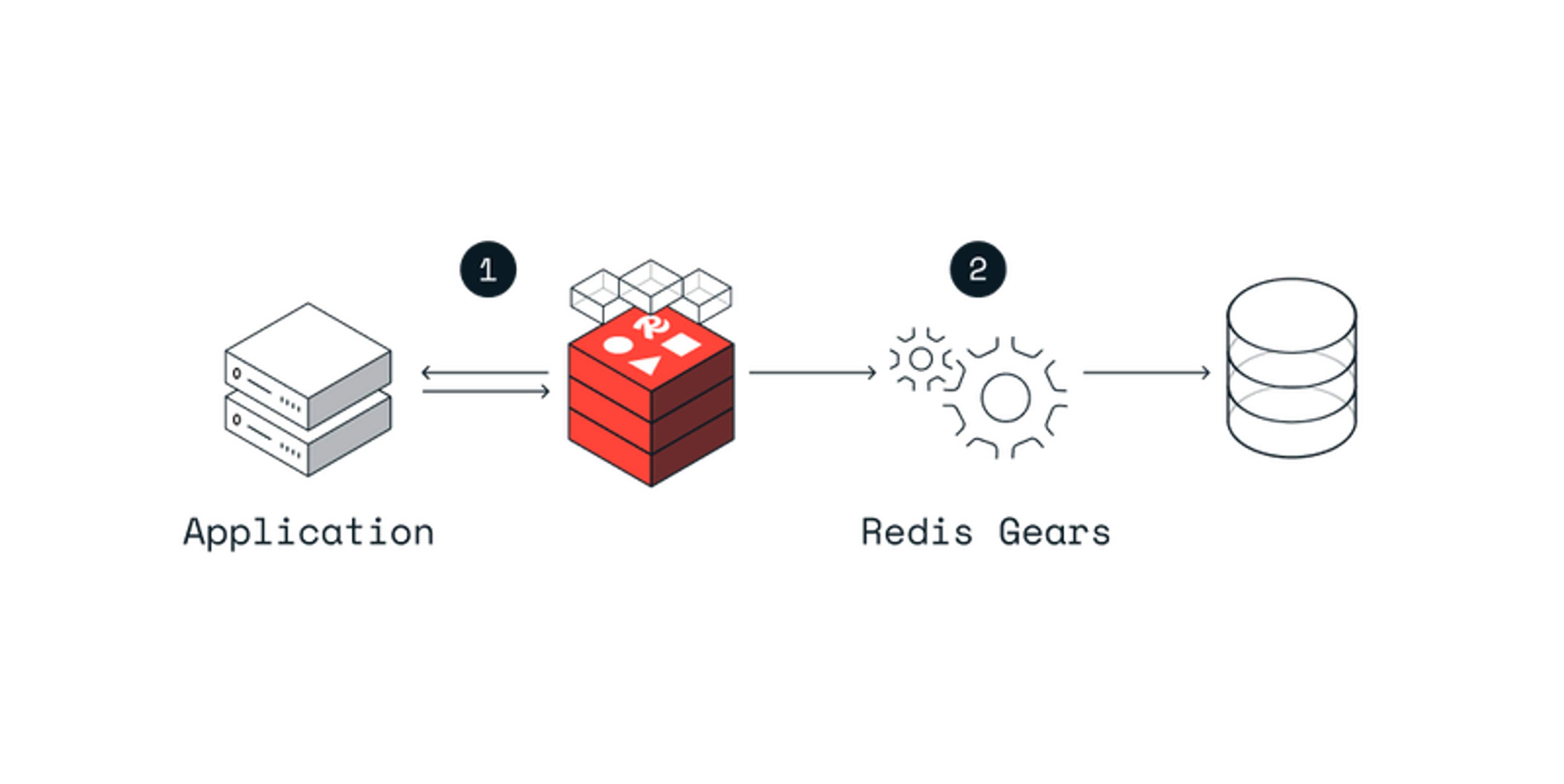
At a basic level, the application first checks Redis before going to the database. This pattern is often called cache-aside.
The process usually looks like this:
A user requests data.
The application checks whether that data exists in Redis.
If found, Redis returns it immediately.
If not found, the application fetches it from the database.
The application stores the result in Redis for future requests.
This flow sounds simple, and honestly, that is part of the beauty of Redis Caching. When designed well, it creates a huge performance gain without changing the entire application architecture.
Best Use Cases for Redis Caching
Not every piece of data should be cached, but some types of data are ideal for it. In real projects, I usually recommend Redis Caching for:
Frequently Accessed Data
Examples include homepage content, product details, navigation menus, and category pages.
Session Storage
Redis is commonly used to store user sessions because it is fast and handles temporary data very well.
API Response Caching
If your app calls the same API endpoint repeatedly, storing responses in Redis can reduce unnecessary processing.
Rate Limiting and Counters
Redis supports atomic operations, which makes it excellent for login attempt tracking, request counting, and throttling systems.
Real-Time Features
Leaderboards, chat presence indicators, and live analytics often benefit from Redis data structures.
Common Mistakes I Often See
While Redis Caching is powerful, it is easy to use it poorly. I’ve seen teams add Redis expecting instant miracles, only to get inconsistent or outdated results.
Caching Everything
Not all data belongs in cache. If the data changes constantly or is rarely accessed, caching may create more complexity than value.
Ignoring Expiration Time
A cache without expiration rules can lead to stale data. Setting a proper TTL helps keep cached content fresh.
Poor Key Naming
Messy key naming makes debugging painful. I prefer a clear structure like user:1024:profile or product:567:details.
No Cache Invalidation Strategy
This is the classic problem. If the database updates but Redis still serves the old version, users may see incorrect information. Good invalidation planning is essential.
Treating Redis Like a Permanent Database
Redis is excellent for speed, not always for long-term primary storage. It should support your architecture, not replace critical persistence carelessly.
Practical Tips for Better Redis Caching
When I implement Redis Caching, I try to keep the system efficient and maintainable. These tips help a lot:
Cache high-value, frequently requested data first
Use meaningful TTL settings based on how often data changes
Monitor hit rate, memory usage, and eviction behavior
Group cache keys with a clear naming convention
Test how your application behaves during cache misses
Avoid oversized cached objects when smaller fragments work better
A small, well-planned Redis layer often performs better than an oversized caching strategy that nobody maintains properly.
Final Thoughts
For me, Redis Caching is one of the most practical performance improvements a modern application can adopt. It is fast, flexible, and highly effective when used with a clear strategy. The biggest benefit is not only technical speed. It is the better experience users get when pages load quickly and systems stay responsive under pressure.
If you want ultra-fast access to repeated data, reduced database strain, and a more scalable application, Redis Caching is a smart move. The key is to use it intentionally. Cache what matters, manage expiration carefully, and never forget that performance gains come from good architecture, not just adding tools.
Explore our “Technology” category for more insightful content!