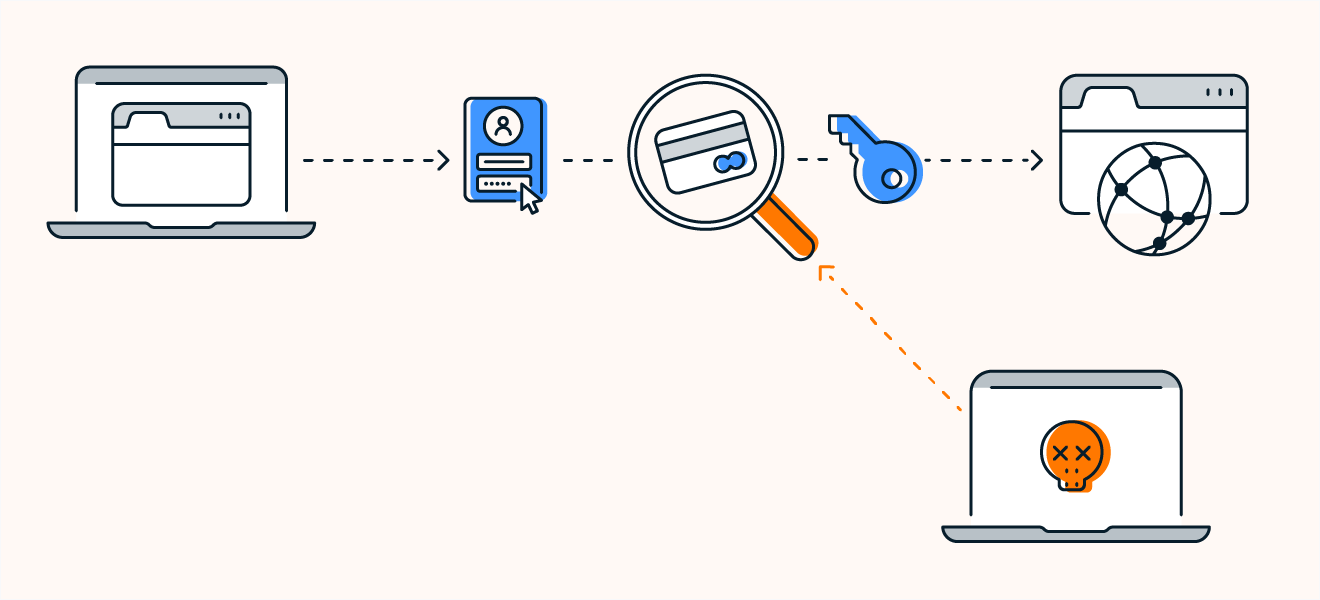
Jakarta, teckknow.com – Packet sniffing is a powerful technique used in network management, security analysis, and troubleshooting. It involves capturing and analyzing data packets traveling across a network, providing insights into network performance, security vulnerabilities, and traffic patterns. This article explores the fundamentals of packet sniffing, its applications, tools used, and ethical considerations associated with its use.
What is Packet Sniffing?
1. Definition and Overview
Packet sniffing refers to the process of intercepting and logging traffic that passes over a computer network. This technique allows network administrators, security professionals, and developers to monitor and analyze data packets, which contain information about the source, destination, and content of the transmitted data.
2. How Packet Sniffing Works
When data is transmitted over a network, it is broken down into smaller units called packets. Each packet contains a header (with metadata such as source and destination IP addresses) and a payload (the actual data being transmitted). Packet sniffing tools capture these packets as they traverse the network, allowing for detailed analysis.
Applications of Packet Sniffing
1. Network Troubleshooting
Packet sniffing is an essential tool for diagnosing network issues. By analyzing packet flow, network administrators can identify bottlenecks, dropped packets, and other performance issues that may affect connectivity and speed.
2. Security Analysis
Security professionals use packet sniffing to detect unauthorized access, intrusions, and malicious activity on the network. By monitoring traffic patterns and analyzing packets, they can identify potential threats and vulnerabilities, such as:
Malware Communication: Detecting unusual outbound traffic that may indicate compromised devices.
Data Exfiltration: Identifying unauthorized data transfers that could signal a breach.
3. Performance Monitoring
Packet sniffing helps organizations monitor network performance by analyzing traffic patterns, bandwidth usage, and latency. This information can be used to optimize network resources and improve overall efficiency.
4. Protocol Analysis
Network engineers can use packet sniffing to analyze communication protocols, ensuring that they are functioning correctly and efficiently. This is particularly useful for debugging and optimizing applications that rely on specific protocols.
Tools for Packet Sniffing
Several tools are available for packet sniffing, each offering different features and capabilities. Some of the most popular tools include:
1. Wireshark
Wireshark is one of the most widely used packet sniffing tools. It provides a user-friendly interface for capturing and analyzing network traffic in real time. Users can filter and search through captured packets, making it easier to identify specific issues or patterns.
2. tcpdump
tcpdump is a command-line packet analyzer that allows users to capture and display packets on a network. It is highly versatile and can be used for both live traffic analysis and saved packet files.
3. Snort
Snort is an open-source intrusion detection and prevention system that also includes packet sniffing capabilities. It can analyze network traffic in real time and generate alerts based on predefined rules.
4. Microsoft Message Analyzer
This tool allows users to capture, display, and analyze network traffic and messages from various sources, including local and remote systems. It provides a comprehensive view of network activity and helps troubleshoot issues.
Ethical Considerations
1. Legal Implications
Packet sniffing can raise legal and ethical concerns, particularly when it involves intercepting data without authorization. Laws regarding data privacy and interception vary by jurisdiction, and unauthorized packet sniffing can lead to severe legal consequences.
2. Privacy Issues
Capturing and analyzing network traffic can expose sensitive information, such as passwords, personal data, and confidential communications. Organizations must ensure that they comply with privacy regulations and protect the data they analyze.
3. Responsible Use
Packet sniffing should only be conducted for legitimate purposes, such as network management, security analysis, or troubleshooting. Organizations should establish clear policies regarding the use of packet sniffing tools and ensure that employees are trained on ethical practices.
Conclusion
Packet sniffing is a vital technique for capturing and analyzing network traffic, offering valuable insights for troubleshooting, security analysis, and performance monitoring. While it provides numerous benefits, it is essential to approach packet sniffing with a strong understanding of the ethical and legal implications involved. By employing packet sniffing responsibly, organizations can enhance their network security and optimize performance while safeguarding user privacy.
Explore our “Technology” category for more insightful content!