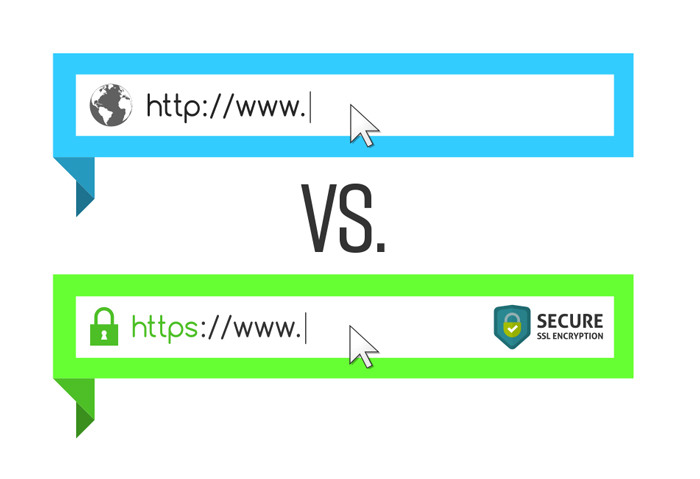
JAKARTA, teckknow.com – Hey there! Ever wondered why everyone’s talking about HTTPS Ranking: Secure Site Advantages these days? Trust me, when I started my first blog, I didn’t even know what HTTPS actually meant, let alone its effect on SEO!
In today’s digital landscape, ensuring the security of your website is more important than ever. One of the most effective ways to enhance your site’s security is by implementing HTTPS (HyperText Transfer Protocol Secure). Not only does HTTPS provide a secure connection, but it also plays a crucial role in your website’s visibility on search engines. In this article, we will explore the benefits of having a secure site and how it impacts HTTPS ranking in search engines.
Understanding HTTPS
HTTPS is an extension of HTTP, the protocol used for transmitting data over the internet. The key difference between the two lies in the added layer of security that HTTPS provides. While HTTP transmits data in plaintext, making it vulnerable to interception and attacks, HTTPS encrypts the data exchanged between the user’s browser and the server using SSL (Secure Sockets Layer) or TLS (Transport Layer Security) protocols.
Technical Aspects of Establishing a Secure Connection
When a user visits a website with HTTPS, their browser establishes a secure connection through a process called the SSL handshake. This process involves the following steps:
- Client Hello: The user’s browser sends a request to the server, indicating that it wants to establish a secure connection.
- Server Hello: The server responds with its SSL certificate, which contains the server’s public key and other information.
- Certificate Validation: The browser verifies the authenticity of the SSL certificate by checking it against trusted Certificate Authorities (CAs).
- Session Key Generation: Once validated, the browser and server generate a unique session key for encrypting the data exchanged during the session.
- Secure Connection Established: With the session key in place, the browser and server can now communicate securely, ensuring that data remains private and protected from eavesdroppers.
Benefits of HTTPS for Websites
Implementing HTTPS on your website offers several advantages that go beyond just security.
1. Enhanced Security
The primary benefit of HTTPS is the increased security it provides. By encrypting data, HTTPS protects sensitive information such as login credentials, credit card details, and personal data from being intercepted by malicious actors. This is particularly important for e-commerce sites and any platform that handles user data.
2. Improved User Trust and Engagement
In an era where data breaches are common, users are increasingly aware of online security. Websites that display the padlock icon in the address bar (a sign of HTTPS) are perceived as more trustworthy. This trust can lead to higher engagement rates, as users are more likely to interact with a secure site. A study by Google found that 84% of users would abandon a purchase if they felt the website was not secure.
3. Better Website Performance and Loading Speed
Contrary to common misconceptions, HTTPS can actually improve website performance. With the introduction of HTTP/2, which is only supported over HTTPS, websites can benefit from faster loading times due to features like multiplexing, header compression, and reduced latency. These improvements can lead to a better user experience and lower bounce rates.
HTTPS and SEO Ranking Factors
Search engines, particularly Google, have made it clear that HTTPS is a ranking factor. In 2014, Google announced that it would give a slight ranking boost to secure sites, encouraging webmasters to adopt HTTPS. This means that websites using HTTPS may rank higher in search results compared to their HTTP counterparts.
Correlation Between HTTPS and Higher Search Rankings
Several studies have shown a positive correlation between HTTPS usage and higher search engine rankings. Websites that prioritize security are more likely to be favored by search algorithms, which consider user experience and site integrity as important factors. As a result, implementing HTTPS can not only protect your users but also enhance your visibility in search engine results.
Implementing HTTPS on Your Website
Transitioning from HTTP to HTTPS may seem daunting, but it can be accomplished with a few straightforward steps.
Step-by-Step Guide to Obtaining an SSL Certificate
- Choose an SSL Certificate Provider: Select a reputable Certificate Authority (CA) that offers SSL certificates. Popular providers include Let’s Encrypt (free), Comodo, and DigiCert.
- Generate a Certificate Signing Request (CSR): This request contains your public key and information about your website. It can be generated through your web hosting control panel or server.
- Submit the CSR: Send the CSR to your chosen CA. They will validate your information and issue the SSL certificate.
- Install the SSL Certificate: Once you receive the certificate, install it on your web server. This process may vary depending on your hosting provider.
- Update Your Website: Change all internal links to HTTPS and update your Content Management System (CMS) settings if necessary. Ensure that any resources (images, scripts, etc.) are also loaded over HTTPS to avoid mixed content issues.
- Redirect HTTP to HTTPS: Set up 301 redirects to ensure that users and search engines are directed to the secure version of your site.
Common Challenges and Solutions
- Mixed Content Issues: If your site loads some resources over HTTP, it can lead to security warnings. Ensure all resources are served via HTTPS.
- SEO Impact During Transition: Monitor your site’s performance during the transition. Use Google Search Console to track any potential issues and ensure your new HTTPS pages are indexed correctly.
Conclusion
In summary, prioritizing HTTPS for your website is essential for enhancing security, building user trust, and improving SEO rankings. The benefits of implementing HTTPS extend beyond just protecting sensitive data; they also contribute to a better user experience and increased visibility in search engines. By taking the necessary steps to transition to HTTPS, you can safeguard your website and position it for success in a competitive online environment.
Call to Action
Have you implemented HTTPS on your website? Share your experiences and any challenges you faced during the transition in the comments below! For more tips on enhancing website performance and security, subscribe to our newsletter and stay updated on the latest best practices.
Explore our “”Technology“” category for more insightful content!
Don't forget to check out our previous article: Zero-Knowledge Proofs: Verifying Information Without Revealing It