JAKARTA, teckknow.com – Attention Economy: How Platforms Capture and Monetize Your Focus is not just some trending buzzword—it’s literally shaping how we live and what we see online. I remember the first time I caught myself doomscrolling on Instagram. One second, I wanted to check a single DM, next thing I know, an hour’s gone! Ever happened to you? That’s the power of the attention economy in action.
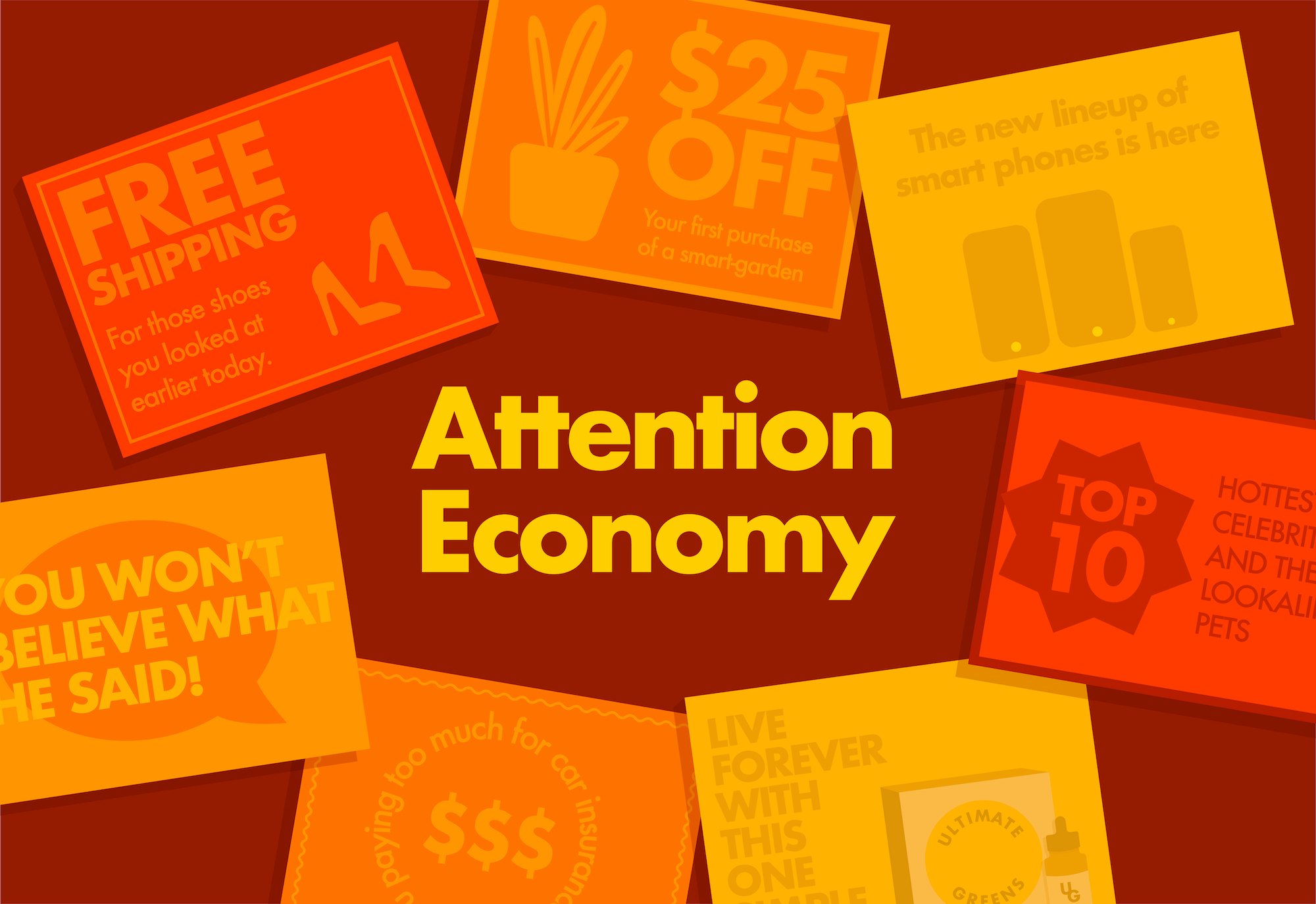
The attention economy has emerged as a dominant force in our digital age, fundamentally altering how we consume information, interact with content, and engage with brands. In this environment, attention is viewed as a scarce resource, and various platforms compete vigorously to capture and monetize our focus. This article explores the concept of the attention economy, how it operates, and its implications for our daily lives.
Understanding the Attention Economy
The attention economy refers to the marketplace where attention is treated as a commodity. In a world inundated with information and distractions, capturing and retaining users’ attention has become a critical objective for businesses, especially in the digital realm. The premise is simple: the more attention a platform can garner, the more it can monetize that attention through advertising, subscriptions, or other revenue streams.
Key Characteristics of the Attention Economy
Scarcity of Attention: With countless sources of information vying for our attention—social media, news outlets, streaming services—individuals have limited capacity to focus on any single source.
Value of Engagement: Platforms measure success by user engagement metrics, such as clicks, shares, likes, and time spent on site. Higher engagement translates to greater value in the attention economy.
Personalization: Algorithms are employed to tailor content to individual preferences, increasing the likelihood of capturing attention. This personalization often leads to a feedback loop, where users are presented with content that reinforces their existing interests.
How Platforms Capture Attention
1. Algorithmic Content Delivery
Platforms like Facebook, Instagram, and YouTube utilize sophisticated algorithms to determine what content appears in users’ feeds. These algorithms analyze user behavior—such as likes, shares, and comments—to prioritize content that is most likely to engage each individual.
Example: A user who frequently interacts with cooking videos may see more culinary content in their feed, keeping them engaged and returning for more.
2. Infinite Scroll and Notifications
Many platforms employ features like infinite scrolling and push notifications to keep users engaged longer.
Infinite Scroll: This feature allows users to continuously consume content without having to click to the next page, creating a seamless experience that encourages prolonged engagement.
Notifications: Alerts about new likes, comments, or messages draw users back to the platform, often interrupting their daily activities to check for updates.
3. Gamification and Rewards
Some platforms incorporate gamification elements—such as badges, points, and leaderboards—to incentivize user engagement.
Example: Fitness apps that track progress and reward users with virtual badges for achieving milestones encourage users to remain active and engaged with the platform.
4. Emotional Appeal
Content that evokes strong emotions—whether joy, anger, or surprise—tends to capture attention more effectively. Platforms often prioritize such content to maximize user engagement.
Example: Viral videos that provoke laughter or outrage are more likely to be shared, increasing their reach and visibility within the platform.
Monetizing Attention
Once platforms capture users’ attention, they monetize it in various ways:
1. Advertising Revenue
The primary revenue model for many platforms is advertising. By selling ad space, platforms can generate significant income based on the amount of attention their users provide.
Targeted Advertising: Advertisers leverage user data to create highly targeted ads, ensuring that their messages reach the most relevant audience.
2. Subscription Models
Some platforms offer premium services that provide an ad-free experience or exclusive content. Users pay for the privilege of uninterrupted access, further monetizing their attention.
Example: Streaming services like Netflix or Spotify operate on subscription models, providing users with curated content while eliminating ads.
3. Data Monetization
User data collected through interactions can be valuable for market research and advertising. Platforms may sell aggregated data insights to third parties, further monetizing users’ attention.
Implications for Everyday Life
The attention economy has profound implications for our daily lives:
1. Information Overload
With constant notifications and an overwhelming amount of content, individuals may experience information overload, leading to decision fatigue and reduced productivity.
2. Reduced Attention Span
The competition for attention can lead to shorter attention spans, making it challenging for individuals to focus on tasks that require deep concentration.
3. Impact on Mental Health
The pressure to stay connected and engaged can contribute to anxiety and stress, as users feel compelled to keep up with the relentless flow of information.
4. Shifts in Social Interaction
The way we interact with friends and family is influenced by the attention economy. Social media can enhance connections but may also lead to superficial interactions that prioritize online engagement over meaningful relationships.
Navigating the Attention Economy
To thrive in the attention economy, individuals can adopt strategies to manage their focus and well-being:
Set Boundaries: Limit time spent on social media and other platforms to reduce distractions and reclaim focus.
Curate Content: Be selective about the sources of information and content consumed. Follow accounts and platforms that align with personal interests and values.
Practice Mindfulness: Engage in mindfulness practices to enhance awareness of attention patterns and reduce the impact of distractions.
Prioritize Offline Activities: Engage in offline hobbies and activities that promote deep focus and fulfillment, such as reading, exercising, or spending time in nature.
Conclusion
The attention economy has transformed the way we interact with technology and consume information, creating both opportunities and challenges. By understanding how platforms capture and monetize our attention, individuals can make informed choices about their engagement with digital content. As we navigate this landscape, cultivating awareness and prioritizing well-being will be essential in reclaiming our focus and enhancing our quality of life.
Explore our “Technology” category for more insightful content!